
Struggling to maximize space and style with bulky swing doors? This wastes floor area and limits design. Pocket doors offer a sleek, space-saving solution that transforms any room.
Your clients benefit from pocket doors by gaining usable floor and wall space, achieving a clean, modern look, and improving accessibility. With quality hardware, they also add flexibility and soundproofing, making them a premium, practical solution for almost any residential or commercial project.
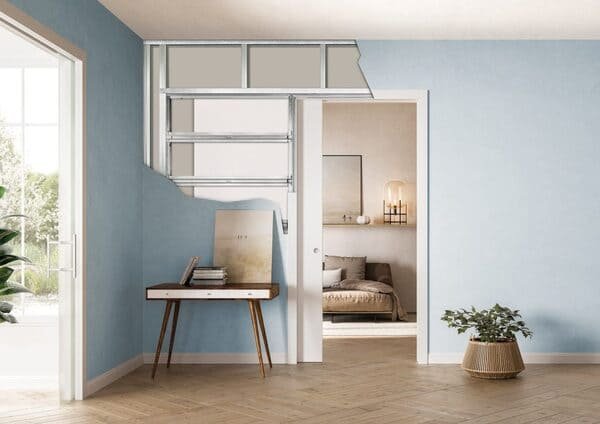
The space-saving benefit is obvious, but that’s just the start. Many purchasing managers I talk to are surprised by the other advantages these doors offer when you use the right hardware system. Let’s break down exactly where these doors shine and why your customers will love them.
When should you use a pocket door?
You are designing a project, but a traditional door swing gets in the way. This forces awkward layouts and makes small rooms feel claustrophobic. Pocket doors are the perfect choice.
Use a pocket door in small rooms like bathrooms, closets, or pantries where a swing door is impractical. They are also ideal for creating flexible divisions in open-plan layouts, such as between living and dining areas, maximizing both space and functionality for your client.
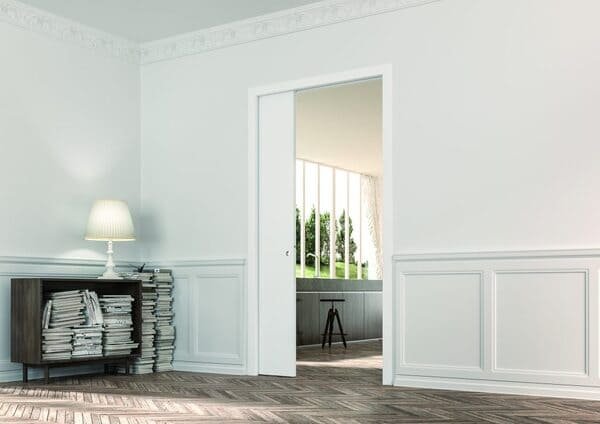
As a hardware manufacturer, I see our systems used in two main scenarios. The first is about optimization, and the second is about flexibility. Let’s look at where they fit best.
Optimizing Small Spaces
In tight quarters, every square inch matters. A traditional hinged door can consume up to 10 square feet of floor space just to swing open. In an ensuite bathroom, a pantry, or a walk-in closet, that space is critical. A pocket door1 slides into the wall, completely disappearing and freeing up that valuable area for better flow or fixture placement. This is a huge selling point for homeowners in smaller urban properties or for anyone wanting a more efficient layout.
Creating Flexible Layouts
Modern design loves open-concept living2, but sometimes you need privacy. Pocket doors are the perfect solution. They allow clients to temporarily close off a home office, a dining room, or a den from the main living area. When open, the space is completely connected. When closed, it becomes a private, separate room. This adaptability is something a standard door just can’t offer.
| Scenario | Swing Door Challenge | Pocket Door Solution |
|---|---|---|
| Small Bathroom | Blocks hallway or hits fixtures. | Disappears into the wall, maximizing usable space. |
| Walk-in Closet | Wastes closet space or blocks the bedroom. | Glides away, providing full access without obstruction. |
| Open-Plan Living | No easy way to separate spaces. | Creates a seamless, optional division when needed. |
Do pocket doors reduce noise?
Your clients want privacy, but old pocket doors were known for being flimsy and loud. This creates a fear that they don’t block sound well. Modern pocket doors with quality hardware work great.
Yes, modern pocket doors can significantly reduce noise when installed correctly. The keys are using a solid-core door and a high-quality hardware system. Components like our soft-close rollers, rubber gaskets, and brush strips create an effective seal that blocks sound transmission effectively.
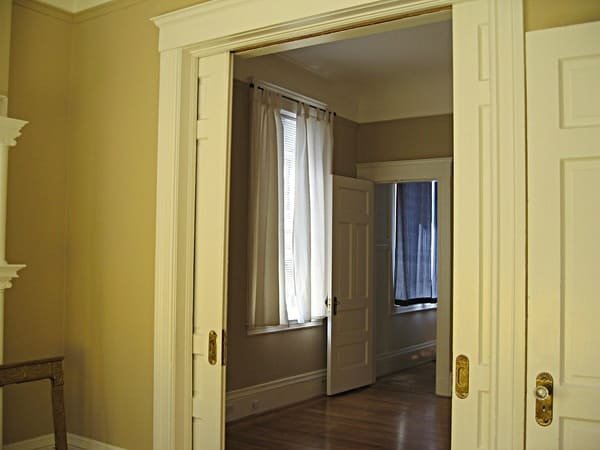
The old reputation for being noisy is a thing of the past. The difference comes down to two things: the door itself and the hardware that makes it move.
The Role of the Door Slab
A hollow-core door is light and inexpensive, but it’s basically an amplifier for sound. To get good sound insulation, your clients must use a solid-core door3. The dense material naturally dampens sound waves, providing a much quieter environment. When you quote a project, specifying a solid-core door1 is the first step toward creating a truly private space. This is a simple upgrade that makes a massive difference in performance.
The Importance of Hardware and Seals
This is where our factory, opensliding, makes the biggest impact. Rattling and gaps are the enemies of quiet. Our high-quality track and roller systems, like our heavy lifting wheels4, are engineered for smooth, silent operation. More importantly, you need to seal the gaps around the door. We produce glass door rubber and brush strips specifically for this purpose. When installed along the jambs and floor, they close off the space around the door, preventing sound from leaking through.
| Component | How It Reduces Noise |
|---|---|
| Solid-Core Door | The dense material naturally blocks sound waves. |
| Quality Track System | Prevents rattling and vibration during use. |
| Gaskets & Brush Strips | Seal the gaps around the door to stop sound bleed. |
| Proper Installation | Ensures a tight fit within the wall frame. |
Which is better, a pocket door or a sliding door?
Your client needs a space-saving door but is confused by the options. Choosing the wrong type can completely change the look and function of a room. Understanding the differences makes the choice easy.
Neither is better; it depends on the project. Pocket doors disappear into the wall for a minimalist look and to save wall space. Sliding barn doors stay visible but are much easier and cheaper to install, especially in an existing home, as they don’t require opening the wall.

As a supplier of hardware for both types, including a wide range of barn door accessories, I can tell you the right choice depends on aesthetics, budget, and the construction phase.
Aesthetics and Space
The biggest difference is visual. A pocket door5 is the ultimate minimalist solution. When it’s open, it’s gone, giving a completely clean and unobstructed opening. This also means the adjacent wall space is free for art, furniture, or light switches. A sliding door, often called a barn door, is a design feature in itself. The door and its hardware are always visible, adding a rustic or industrial character to the space. However, it requires a clear section of wall for the door to slide over when open.
Installation and Cost
Installation is another key factor. A pocket door5 requires a "pocket" to be built inside the wall. This is straightforward in new construction or a major remodel but is complex and costly to retrofit into an existing wall. A sliding barn door6 is much simpler. The track is mounted directly onto the surface of the wall above the opening, making it an easy addition to almost any room with minimal disruption.
| Feature | Pocket Door | Sliding Door (e.g., Barn Door) |
|---|---|---|
| Space Usage | Disappears into the wall, freeing all wall space. | Requires an empty wall section to slide over. |
| Aesthetics | Minimalist, clean, hidden when open. | Becomes a design feature, makes a statement. |
| Installation | More complex, best for new builds or major renovations. | Simpler, great for retrofitting existing spaces. |
| Sealing/Privacy | Can seal well with proper hardware and seals. | Gaps are common, offering less sound/light proofing. |
Are pocket doors making a comeback?
Some people associate pocket doors with the old, wobbly ones from decades ago. This outdated reputation might make your clients hesitate to use them. Modern pocket doors are completely redesigned and popular.
Absolutely. Pocket doors are making a huge comeback thanks to major innovations in hardware. Modern systems, like our soft-close and heavy-duty rollers, have eliminated the old problems of jamming and noise. Their space-saving benefit is now highly valued in modern design.

The resurgence isn’t just a trend; it’s driven by real improvements in technology and shifts in how people want to live. The pocket doors of today are not the same ones your clients might remember.
Hardware Innovation
As a factory, we’ve focused our R&D on solving the classic problems. Old pocket doors were noisy and often jumped off their tracks. Our modern hardware has changed everything. For example, our wooden door slow lifting wheel provides a soft-close and soft-open feature, preventing slams and ensuring a smooth, quiet glide. For larger, heavier doors made of glass or solid wood, our heavy lifting wheel systems can handle the weight effortlessly without sagging or sticking. These innovations give designers confidence to specify pocket doors for any application, knowing they will be reliable for years.
Shifting Design Trends
Today’s architecture favors efficiency and flexibility. Homes are sometimes smaller, and multi-functional rooms are common. A pocket door is the perfect tool for this environment. It supports minimalist aesthetics by hiding completely when not in use. It also helps create adaptable spaces, like turning an open living area into a private guest room. Furthermore, for aging-in-place design, pocket doors are easier to operate for people with mobility challenges than heavy swing doors. They are not just coming back; they are becoming an essential element of smart, modern design.
Conclusion
Pocket doors offer clients valuable space, style, and flexibility. With today’s high-quality hardware from opensliding, they are a reliable, quiet, and modern solution for any project you undertake.
Explore the advantages of pocket doors for maximizing space and enhancing flow in tight areas. ↩ ↩
Learn design tips for creating functional open-concept living areas while maintaining privacy. ↩
Explore this link to understand how solid-core doors can significantly enhance sound insulation in your space. ↩
Discover the advantages of heavy lifting wheels for smoother, quieter door operation in your projects. ↩
Explore the advantages of pocket doors for a minimalist aesthetic and efficient space usage in your home. ↩ ↩
Discover how sliding barn doors can add rustic charm and serve as a striking design element in your living space.
]: Discover how sliding barn doors can add rustic charm and serve as a striking design element in your living space. ↩