
Sourcing pulley hardware but worried about compatibility? A mismatch can cause project delays and safety hazards. Simply confirming the glass thickness range upfront saves you a world of trouble.
When buying glass sliding door hardware from China, you must confirm the glass thickness it accommodates. Most hardware is designed for specific ranges, such as 8mm, 10mm, or 12mm. This is crucial as applications like shower doors, partitions, or patio doors all use different glass thicknesses.
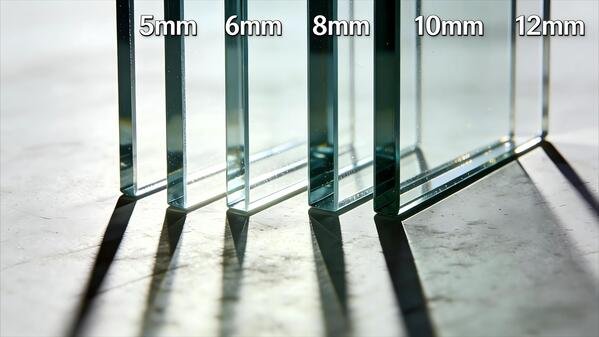
Getting the right hardware is about more than just style; it’s about a perfect fit. I’ve seen projects stall because the pulley system ordered from overseas didn’t match the glass on site. It’s a simple detail, but overlooking it can have big consequences for your timeline and budget. The key is to be precise from the very start.
Let’s break down exactly what you need to know to ensure every order you place is the right one, saving you time, money, and headaches down the line.
How do I measure glass thickness for compatibility?
You have the glass, but how do you measure its thickness accurately? Eyeballing it isn’t an option, and a wrong measurement means you’re back to square one with incompatible hardware.
For the most accurate measurement, use digital or vernier calipers on the edge of the glass panel. Measure in several places to check for inconsistencies. If the glass is already installed, you may need a specialized glass thickness gauge or to check the manufacturer’s specifications.
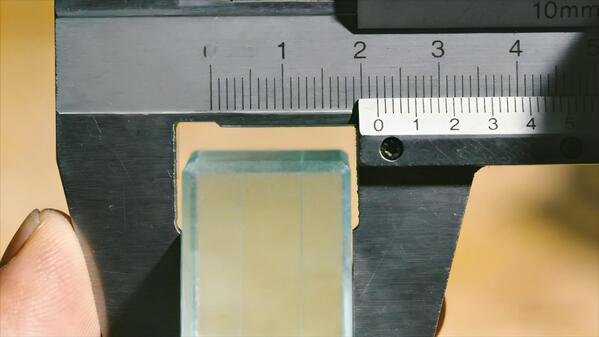
In my experience, precision is non-negotiable. I always tell my clients, like Jacky who handles purchasing for a large construction firm, to never rely on estimations. A fraction of a millimeter can be the difference between a smooth-gliding door and a system that fails. The best practice is to measure, and then measure again. This simple verification step is the foundation of a successful hardware purchase, especially when dealing with international suppliers where returns are complicated.
Tools and Techniques for Accurate Measurement
To ensure you provide your supplier with the correct specifications, using the right tool is essential. A simple tape measure won’t give you the required precision.
| Tool | Precision | Best Use Case |
|---|---|---|
| Digital Caliper1 | High | Best for loose glass panels; provides an exact reading. |
| Vernier Caliper2 | High | Reliable and accurate, good alternative to digital. |
| Tape Measure | Low | Not recommended for this task; too inaccurate. |
When measuring, always clean the edge of the glass first to remove any debris. Take at least three measurements—one near the top, one in the middle, and one near the bottom. This helps you identify any variations in the glass thickness. Once you have your measurements, communicate the exact numbers (e.g., "10.05 mm") to your supplier. At my factory, opensliding, receiving precise details like this allows us to confirm if our standard pulley systems are a perfect match or if a custom solution is needed.
Are there standard glass thicknesses suppliers recommend?
Feeling lost in a sea of custom sizes and options? Guessing the right thickness for your project can be a costly mistake in both materials and hardware, leading to project failure.
Yes, most Chinese suppliers, including us at opensliding, stock hardware for standard glass thicknesses. The most common sizes are 6mm (1/4"), 8mm (5/16"), 10mm (3/8"), and 12mm (1/2"). These standards cover the majority of residential and commercial applications.
Focusing on these standards is the most efficient path forward for any purchaser. I remember working with Jacky on a large order for a hotel project. By confirming that their design used a standard 10mm glass for all shower doors, we could immediately prepare a bulk shipment of our tested and ready-to-go pulley systems. This saved weeks of potential lead time that a custom order might have required. Sticking to industry standards simplifies procurement and ensures a wider availability of compatible, high-quality hardware.
Common Glass Thicknesses and Their Applications
Understanding which thickness is used for which application helps you plan your projects and source the right hardware more effectively. These standards exist for reasons of safety, material availability, and cost-efficiency. As a factory, we align our production lines with these common sizes3 to provide our B2B clients with reliable, top-quality hardware without the long wait times.
| Thickness (mm) | Thickness (inches, approx.) | Common Applications |
|---|---|---|
| 6mm | 1/4" | Lightweight interior partitions, cabinet glass doors. |
| 8mm4 | 5/16" | Standard frameless shower doors, office partitions. |
| 10mm | 3/8" | Heavier shower doors, glass railings, commercial entryways. |
| 12mm | 1/2" | Large patio doors, structural glass walls, heavy-duty use. |
When you tell us your project involves 8mm4 glass for office partitions, we instantly know which roller systems and fittings will provide the best performance and durability. This alignment between glass standards and hardware manufacturing is key to a smooth supply chain.
Can I request adjustments for non-standard glass sizes?
What if your project demands a unique, non-standard glass thickness? You might worry that you won’t find hardware that fits, putting your design and project timeline at risk.
Absolutely. Many factories in China, including opensliding, offer ODM services and can customize hardware for non-standard glass sizes. You must provide precise specifications, and be prepared for potential adjustments in cost and lead time. Clear communication is essential for a successful custom order.

Customization is at the heart of what we do. We often work with furniture factories and contractors who have unique design requirements. For instance, a client needed pulleys for a 9mm laminated glass partition. This isn’t a standard size. By providing us with the exact glass specifications and a sample piece, we were able to adjust the gaskets and clamp fittings on one of our existing pulley designs. The result was a perfect fit that maintained the safety and smooth operation of the door.
The Process for Custom Hardware Orders
Requesting adjustments is straightforward if you follow a clear process. The key is providing detailed information to avoid any misunderstandings.
- Provide Detailed Specifications: Your request should include not just the glass thickness but also the weight of the door, the application (e.g., interior cabinet, exterior patio door), and the desired finish. CAD drawings are extremely helpful.
- Request a Sample: Before committing to a large order, always ask for a pre-production sample. This allows you to test the hardware with your specific glass to ensure a perfect fit and function.
- Discuss MOQ and Lead Times: Custom orders often require a Minimum Order Quantity (MOQ)5 to justify the setup of a new production run. Lead times will also be longer than for standard products, so plan your project timeline accordingly. At opensliding, we are transparent about these requirements from the start.
How does glass thickness affect pulley performance?
You’ve selected a pulley, but have you considered the physics? Choosing hardware without regard to glass thickness is a recipe for poor performance, premature wear, and even catastrophic failure.
Glass thickness directly impacts the door’s total weight and rigidity. Thicker glass is heavier and requires a more robust pulley system with a higher weight capacity. Using underrated hardware can lead to sagging, difficult operation, and significant safety risks over time.
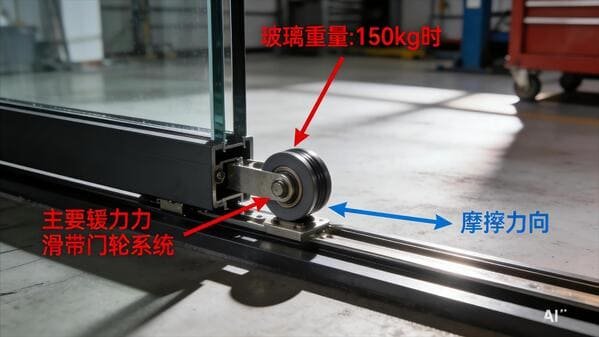
This is a critical point I always emphasize with my customers. Think of it like using the wrong tires on a truck. A small car’s tires won’t support a heavy-duty pickup. Similarly, a pulley system designed for 6mm lightweight cabinet glass will quickly fail if used on a 12mm heavy patio door. The bearings will wear out, the track might bend, and the door will become a liability. The relationship between glass thickness, weight, and hardware rating is something every purchaser must respect to ensure long-term performance and safety.
Matching Hardware to Glass Weight
The primary factor connecting thickness to performance is weight. Heavier glass6 places more stress on every component of the sliding system.
- Pulleys/Rollers: Heavier doors require larger wheels made from durable materials like high-grade nylon or stainless steel, with high-quality bearings to ensure a smooth glide. Our heavy-duty rollers7 are specifically engineered for glass up to 12mm and beyond.
- Track/Rail: The rail must be strong enough to support the door’s weight without bending or deforming over the entire span of its travel. Thicker aluminum or steel profiles are necessary for heavier doors.
- Clamps and Fittings: The hardware that grips the glass must be designed for that specific thickness to ensure a secure hold. An improper fit can cause the glass to slip or create stress points that could lead to shattering.
When you contact us at opensliding, telling us your glass thickness allows us to recommend a complete system where every component is perfectly matched to the load it will bear.
How thick is the glass in a sliding door?
Trying to choose hardware but unsure what glass thickness to expect? Assuming all sliding doors use the same glass is a common mistake that can lead to ordering the wrong parts.
There is no single thickness. It depends entirely on the application. A lightweight wardrobe door might use 6mm glass, a standard shower door often uses 8mm or 10mm, and a heavy exterior patio door will likely require 12mm thick tempered or laminated glass for safety and durability.
The answer is always "it depends." I’ve supplied hardware for everything from delicate 6mm glass cabinet doors in a luxury boutique to massive 12mm glass partitions in a corporate headquarters. Each project had a different requirement based on safety codes, usage frequency, and door size. For any buyer, the first step is not to ask what thickness is standard for all doors, but to determine the specific requirements of your project. Only then can you begin to source the appropriate, high-quality hardware.
Typical Thickness for Different Door Types
Understanding the common ranges for different applications can give you a good starting point for your project planning. This helps you anticipate the type of hardware you’ll need to source.
| Door Type | Common Glass Thickness Range[^8] | Key Considerations |
|---|---|---|
| Wardrobe/Cabinet Door | 6mm – 8mm | Lighter weight, focus on smooth and quiet operation. |
| Shower Door (Frameless) | 8mm – 10mm | Safety (tempered glass), water resistance, durability. |
| Interior Partition Door8 | 8mm – 12mm | Sound insulation, rigidity, aesthetic appeal. |
| Exterior Patio Door | 10mm – 12mm+ | Security, weather resistance, safety (laminated/tempered). |
This table serves as a general guide. Local building codes, door dimensions, and whether the glass is framed or frameless will all influence the final decision. As your hardware partner, we rely on you to confirm these project-specific details. Once we have that information, we can ensure the pulley system we provide is perfectly suited for the job, guaranteeing safety and customer satisfaction.
Conclusion
Confirming glass thickness is the critical first step. It ensures compatibility, safety, and performance for any sliding door project, saving you time and money when sourcing hardware from China.
Explore this link to understand how Digital Calipers enhance precision in measurements, ensuring accuracy in your projects. ↩
Discover the advantages of Vernier Calipers in achieving reliable measurements, making them a valuable tool for precision tasks. ↩
Discover the importance of common glass sizes in ensuring safety and efficiency in your projects. ↩
Explore this link to understand the versatility of 8mm glass, especially in office partitions and shower doors. ↩ ↩
Understanding MOQ is crucial for planning your custom hardware orders effectively and avoiding unexpected costs. ↩
Understanding the impact of heavier glass can help you choose the right sliding door system for durability and performance. ↩
Exploring heavy-duty rollers will provide insights into ensuring smooth operation and longevity for your sliding door. ↩
Discover essential insights about interior partition doors, including sound insulation and aesthetic appeal, to enhance your project planning. ↩