
Sourcing hardware from China feels complex. You worry about missing trends and making bad buys. Understanding the latest trends helps you source confidently and profitably.
The key trend is a move towards high-quality, sustainable, and intelligent hardware. We’re seeing more eco-friendly materials, minimalist designs, and smart functions like soft-close systems. This meets a global demand for both beautiful and functional furniture, ensuring you get the best value.
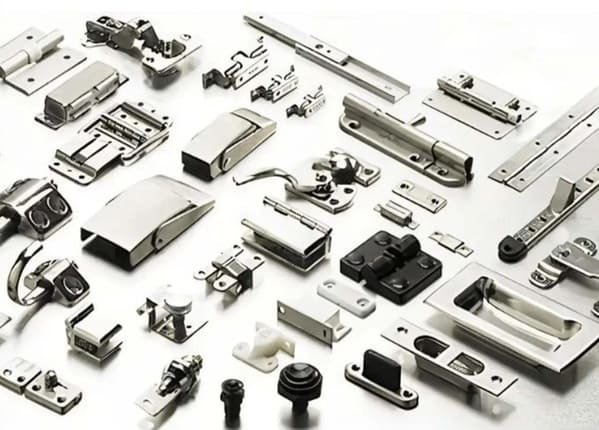
These trends didn’t just appear overnight. They are shaped by a massive market and a deep cultural philosophy about how furniture should look and feel. As a factory owner here in China, I see these forces at play every day. Let’s explore the numbers and the ideas behind them. This helps you understand why Chinese hardware is evolving this way, and it gives you a real edge when sourcing.
How big is the furniture hardware market?
You hear the Chinese hardware market is massive. But without numbers, it’s just talk. Seeing the real scale helps you grasp the huge opportunities waiting for you.
The global furniture hardware market is worth billions, and China is a major producer. It’s expected to grow consistently due to global construction and demand for innovative furniture. This stable growth creates reliable sourcing opportunities for buyers like you.
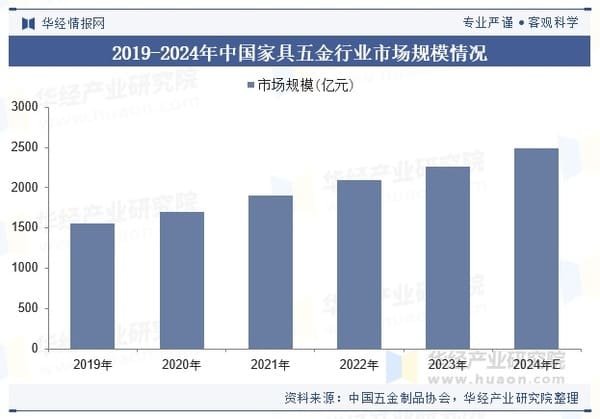
From my factory floor, I see the scale of this market daily. The numbers are staggering. China isn’t just a part of the global hardware market; in many ways, we are the engine. This is driven by domestic demand from our own construction sector and massive international exports. Every year, buyers like you from Canada, Europe, and the US source billions of dollars’ worth of components from factories like mine. This huge scale benefits you directly. It means more competition between suppliers, which leads to better prices and higher quality. It also fuels innovation because we must constantly improve to stand out. Here is a simple breakdown of the main market drivers I see.
| Driver | Impact on Hardware Market | My Observation as a Factory Owner |
|---|---|---|
| Global Construction | Increased demand for basic and functional hardware. | We see large orders for hinges, slides, and rollers for new builds. |
| Home Renovation | Demand for higher-end, aesthetic, and smart hardware. | This is where our soft-close systems and minimalist handles are popular. |
| Global Sourcing | Drives competitive pricing and quality improvements. | We must constantly innovate to win contracts from international buyers. |
This dynamic creates a buyer’s market where you have choices and power. You can find excellent partners if you know what to look for.
What is the philosophy of Chinese furniture?
You see the aesthetics of Chinese design but may not get the philosophy. This gap can cause supplier friction. Understanding the core ideas helps you select genuinely authentic products.
The philosophy of Chinese furniture is about harmony, balance, and function. It favors natural materials, clean lines, and detailed craftsmanship that enhance, not dominate. The furniture should be practical while creating a sense of peace, connecting people with nature.

This philosophy directly influences the hardware we produce. The goal is to create hardware that serves the furniture quietly and efficiently. It should support the overall feeling of harmony, not disrupt it. For centuries, traditional Chinese hardware was simple, often made of brass, with functional shapes that had symbolic meaning. Today, we carry that spirit forward with modern technology. Minimalist handles, concealed hinges, and soft-close mechanisms all honor this principle of unobtrusive function. I often tell my design team that our best hardware should almost "disappear." It should work so smoothly that the person only notices the perfect, silent motion of a door or drawer. This maintains the peace of the space. It’s why our soft-close sliding door systems are a bestseller. They merge an ancient design philosophy with modern engineering, giving you the best of both worlds.
What kind of wood is Chinese furniture made from?
Confused by the different woods used in Chinese furniture? Mismatching hardware to wood can cause issues. Knowing the common types ensures you select the perfect hardware every time.
Traditionally, dense hardwoods like rosewood (hongmu), elm, and walnut are used for durability and their beautiful grains. Today, we also use oak, pine, and engineered woods. This variety helps meet different design styles and budgets for buyers around the world.
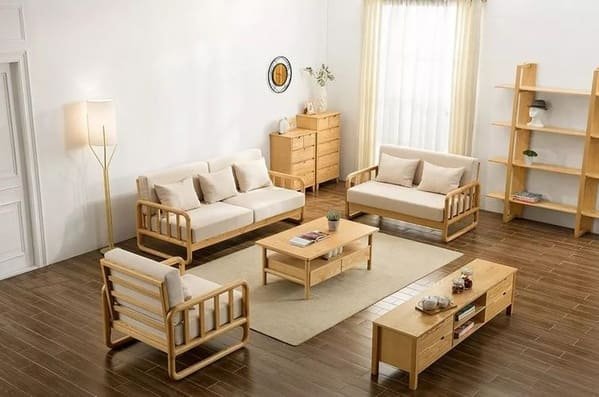
The type of wood is everything. It dictates the weight, the feel, and most importantly for me, the hardware needed. When an experienced purchasing manager like Jacky from Canada contacts me, our first discussion is always about the material. A heavy, solid wood door requires a completely different sliding system than a lightweight MDF panel. In my factory, we design hardware specifically for these different applications because one size does not fit all. For example, our heavy-duty lifting wheels are engineered to handle the massive weight of solid elm or rosewood doors. They ensure smooth operation for decades. On the other hand, our standard wardrobe sliding wheels are perfect for lighter, more common materials used in mass-market furniture. Understanding this relationship is critical.
| Wood Type | Key Characteristics | Recommended Hardware from My Factory |
|---|---|---|
| Rosewood (Hongmu) | Very dense, heavy, luxurious | Heavy-duty lifting wheel, robust hinges |
| Elm (Yumu) | Hard, durable, distinct grain | Strong sliding door systems, classic handles |
| Oak / Pine | Lighter, more affordable | Standard sliding wheels, minimalist pulls |
| MDF / Plywood | Very light, cost-effective | Lightweight cabinet rollers, simple hinges |
Knowing this link between wood and hardware prevents product failures and ensures your customers are happy. It is a key part of smart sourcing.
What is the red wood used in Chinese furniture?
You’ve likely heard of "hongmu" in high-end Chinese furniture. Not knowing its properties makes sourcing for premium pieces difficult. Understanding this wood helps you serve the luxury market.
"Red wood" or "hongmu" (红木) isn’t one type of wood. It’s a category of dense, reddish hardwoods like rosewood and padauk. They are prized for their durability, deep color, and cultural importance, mainly used in high-end, classical Chinese furniture.

Understanding "hongmu" is key for anyone in the premium furniture market. This term represents a whole class of valuable, dense hardwoods. For a hardware manufacturer, the most important characteristic of hongmu is its weight. It is incredibly heavy. A cabinet door made from a wood like Zitan or Huanghuali can weigh as much as a person. This presents a unique engineering challenge. This is precisely why we developed our heavy-duty lifting wheel systems. These are not standard products. They are built with reinforced steel, precision bearings, and robust frames designed to move huge weights effortlessly. When a customer tells me they are working with hongmu, I immediately know to recommend our top-tier systems. Using cheap hardware on such valuable furniture would be a disaster. It would fail quickly and could damage the wood itself. Supplying the right, high-quality hardware for hongmu demonstrates a true commitment to excellence.
Conclusion
Understanding Chinese hardware trends, from market size to material philosophy, empowers you. It ensures you source high-quality, perfectly matched components for any project, boosting your business’s success.