
Are you tired of pocket doors slamming shut with a loud bang? This noise is annoying and can damage the door and wall over time, but there is a simple fix.
The cushioning effect in pocket door hardware, also known as a soft-close mechanism, uses a damper to automatically slow the door in its final inches of travel. This ensures it closes gently and quietly every time, preventing slams and protecting the door frame.
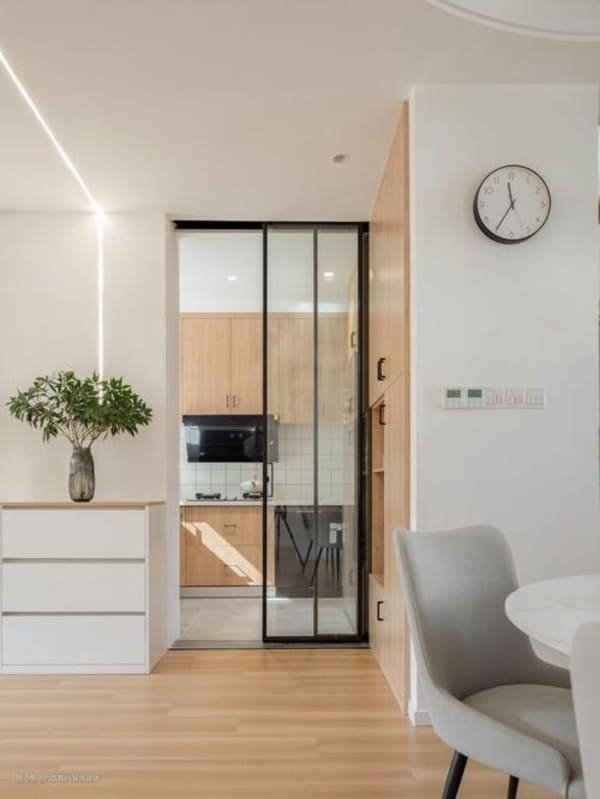
This cushioning feature is a game-changer for pocket doors. It transforms them from a potentially loud, jarring part of your home into a smooth and silent solution. But getting that perfect, quiet glide involves more than just one component. The entire system has to work together, from the track it hangs on to the wheels that carry the weight. Let’s look deeper at how to get the best performance from your pocket doors.
How to make a pocket door smoother?
A pocket door that sticks or feels rough is a daily frustration. It makes the door hard to use and feels cheap. The right hardware and some simple care can fix this.
To make a pocket door smoother, you must use high-quality rollers and a straight, rigid track. Choosing ball-bearing wheels and regularly cleaning debris from the track will ensure your door glides effortlessly for years.

The secret to a smooth pocket door is all in the hardware and the installation. You can have the most beautiful door, but if it runs on a cheap system, it will never feel right. In my factory, we see firsthand how sourcing the right components makes all the difference.
Start with Quality Hardware
The two most important parts are the track and the rollers1 (also called hangers). The track is the rail the door hangs from inside the wall. It must be perfectly straight and made from a strong material like heavy-gauge aluminum or steel. A flimsy track will bend under the weight of the door, causing it to drag and stick. The rollers are just as critical. Look for options with ball bearings. These reduce friction significantly compared to simple axles, allowing the door to move with just a gentle push.
Installation is Everything
Even the best hardware in the world won’t work correctly if it’s installed badly. The track must be installed perfectly level. If it slopes down, the door will want to close on its own. If it slopes up, it will be hard to close. The door must also hang completely plumb (vertically straight). A crooked door will rub against the frame inside the wall, causing friction and noise. This is why I always tell my B2B clients, like door factory purchasing managers, that a good installer2 is just as important as good hardware.
A Simple Maintenance Checklist
Even with a perfect setup, a little maintenance goes a long way.
| Maintenance Task | Frequency | Why It Matters |
|---|---|---|
| Clean the Track | Every 6 months | Dust and debris can build up and make the rollers stick. |
| Check Rollers | Annually | Look for wear and tear, and ensure they are secure. |
| Inspect the Door | Annually | Make sure the door is still hanging straight and not warped. |
What is the disadvantage of a pocket door?
Are you thinking about a pocket door but worried about the problems? A bad installation can cause long-term headaches. Knowing the downsides helps you plan and avoid future trouble.
The main disadvantages are a more complex installation compared to swing doors and difficulty with repairs. You also cannot place electrical outlets, light switches, or hang heavy items on the wall where the door retracts.
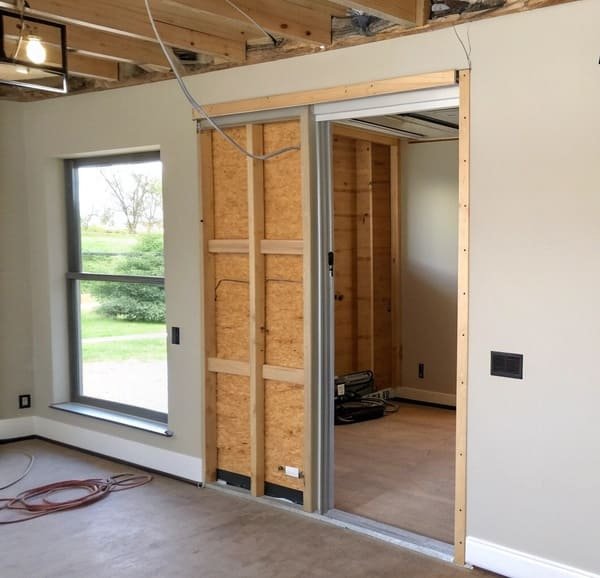
Pocket doors are fantastic space-savers, and that’s their biggest advantage. But it’s important to go into it with your eyes open. As someone who has worked with door hardware for years, I’ve seen customers surprised by these limitations after the fact. Proper planning is the key to avoiding any regret.
Installation and Repair Challenges
Unlike a simple hinged door, a pocket door requires a special "pocket" to be built inside the wall. This makes the initial installation more complex and expensive. The real challenge comes later. If a roller breaks or the track gets damaged after the wall is finished, you can’t just access it. You have to open up the drywall to get to the hardware for repairs. This is why investing in top-quality, durable hardware3 from the start is so important. A system that is built to last, like the ones we supply, drastically reduces the chance you’ll ever need to do this.
Wall Usability and Daily Use
Here are some other practical points to consider:
- Wall Space: The section of the wall that holds the door cannot be used for anything else. You can’t install electrical outlets, light switches, or plumbing in that space. You also can’t hang heavy pictures or shelves on it.
- Operation: There’s a slight difference in how you use them. I’ve noticed you can push a swing door while walking through, but a pocket door requires you to slide it fully open first before you can pass.
- Stopping the Door: A standard pocket door can bang against the stop inside the wall if you slide it too hard. This is where a soft-close mechanism4 becomes essential, as it automatically brakes the door.
Here is a quick comparison:
| Feature | Pocket Door | Swing Door |
|---|---|---|
| Installation | Complex | Simple |
| Repairs | Difficult (needs wall access) | Easy |
| Wall Use | Restricted | Unrestricted |
| Ease of Passage | Must open fully first | Can open while passing |
Why are pocket doors not used anymore?
People sometimes say pocket doors are old-fashioned and cause problems. You might miss a great space-saving option because of old stories. The truth is, they’re making a big comeback.
Pocket doors are being used more than ever. They got a bad reputation in the past from cheap, flimsy hardware that would jam and fail. Today’s high-quality hardware has completely solved those old problems.

The idea that pocket doors are a thing of the past is a myth. As a hardware manufacturer, I’ve seen a huge increase in demand from architects and builders. Modern design trends focusing on open, flexible spaces have made them more popular than ever. The key difference between then and now is the quality of the mechanism running the door.
The Myth of the Old Pocket Door
In the past, especially in mid-century homes, builders often used the cheapest hardware available to save money. The tracks were thin metal that would bend, and the rollers were simple plastic wheels on a pin that would wear out quickly. This is where the stereotype of the rattling, sticking pocket door comes from. These old systems couldn’t handle the weight of a solid door, and they would fail over time, leaving homeowners with a door stuck inside a wall.
The Modern Hardware Revival
Today is a completely different story. The hardware we produce at opensliding is engineered for performance and longevity.
- Heavy-Duty Tracks5: We use thick, extruded aluminum or steel that can support hundreds of pounds without bending.
- Precision Rollers6: Our rollers feature sealed ball bearings and durable nylon wheels. They provide a silent, friction-free glide that feels incredibly smooth.
- Soft-Close: The addition of soft-close and soft-open mechanisms has revolutionized the user experience. They eliminate all slamming and make the door feel luxurious and safe.
These improvements mean modern pocket doors can easily handle heavy, solid-core wood or glass doors, providing superior sound insulation and a feeling of quality that old systems could never achieve.
How to make pocket doors quieter?
A rattling pocket door is very annoying. The noise can travel through the house and ruin a quiet space. A few smart hardware choices can make a huge difference.
To make pocket doors quieter, use a soft-close mechanism to stop slamming. Also, choose high-quality nylon rollers with ball bearings and install a rigid track to prevent rattling and grinding noises.

Noise is the number one complaint I hear about old pocket doors. But a modern pocket door should be virtually silent. The sound of a door should be a gentle whoosh, not a clatter and a bang. Achieving this comes down to targeting the three main sources of noise: the impact at the end, the rolling sound, and vibrations.
Eliminate Slamming with Soft-Close
The loudest noise a pocket door makes is the "bang" when it hits the door jamb. The single best way to eliminate this is with a soft-close anism7. This small hydraulic or pneumatic damper is installed on the track. It catches the door in the last few inches of travel and gently, quietly pulls it fully closed. It’s a must-have feature for any pocket door, especially in bedrooms or bathrooms where you don’t want to disturb others.
Choose Quiet Rollers and Tracks
The sound of the door rolling is the next thing to address. The materials used here are very important.
- Rollers: Look for wheels made from a dense, smooth material like nylon. Nylon is much quieter than hard plastic or metal wheels. The rollers should also contain ball bearings, which ensure the wheel spins smoothly instead of scraping along the track.
- Track: A heavy-gauge track made of aluminum or steel is better than a thin, flimsy one. It is less likely to vibrate, which can transmit noise through the wall.
Use a Solid-Core Door
Finally, the door itself plays a role. A hollow-core door is light and can act like a drum, amplifying any vibrations from the track. A solid-core door8 is much heavier and denser. Its mass helps to dampen vibrations and block sound from passing through. While you need to make sure your hardware is rated for the extra weight, a solid door combined with quality quiet hardware results in the best, most silent operation.
Conclusion
Modern pocket doors with quality, soft-close hardware are smooth, quiet, and reliable. When installed right, they are an excellent space-saving solution that adds function and style to any home.
Understanding the best materials for tracks and rollers can enhance your door’s performance and longevity. ↩
Finding a skilled installer is crucial for ensuring your door operates smoothly and efficiently. ↩
Explore this link to understand how investing in quality hardware can save you from costly repairs and enhance your pocket door’s longevity. ↩
Learn about the advantages of a soft-close mechanism to prevent damage and improve the functionality of your pocket door. ↩
Explore this link to understand how Heavy-Duty Tracks enhance durability and performance in modern pocket doors. ↩
Discover the advantages of Precision Rollers for a smoother, quieter pocket door experience. ↩
Explore this link to understand how a soft-close mechanism can enhance your pocket door’s functionality and reduce noise. ↩
Discover the advantages of solid-core doors, including sound dampening and durability, to improve your home’s acoustics. ↩