
Choosing the wrong hinges means sagging doors and a ruined design. This frustration can derail your project. I’ll show you a simple method for perfect hinge selection every time.
To select the right hinge, you must consider the cabinet door style, the overlay amount, and the hinge’s cup style. Also, check compatibility with your cabinet’s construction. This method ensures smooth operation and a professional finish for your furniture project.
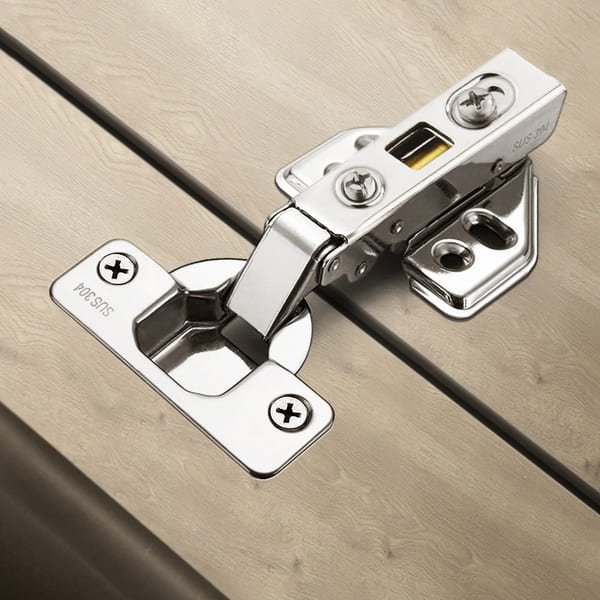
I have spent years in my factory helping clients find the perfect hardware. A professional purchaser like Jacky from Canada knows that the right hinge is about more than just opening a door. It is about lasting quality and durability for the final customer. Breaking down the selection process makes it easy to get right. Let’s look at how you can make the right choice for your project, just like the pros do.
How do I choose the best hinges for my cabinet doors?
Are you confused by the endless hinge options available? A wrong choice leads to misaligned doors and costly mistakes. Follow these key steps to select the perfect hinges for your work.
Focus on your cabinet’s overlay type, which can be full, half, or inset. Then, match the hinge style, like a European or face frame hinge, to your cabinet’s construction. Also, consider adding features like soft-close for a better user experience.
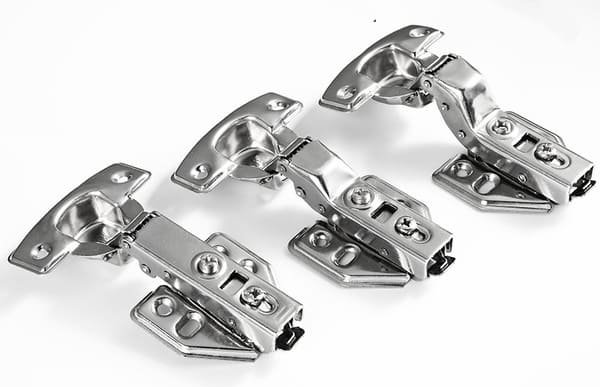
When I talk to purchasers, the first thing we discuss is overlay. It is the measurement of how much the cabinet door "overlays" the cabinet frame opening. Your choice here is critical for the final look and function.
Understanding Overlay
Full overlay doors cover the entire cabinet face, giving a seamless and modern look. They require specific full overlay hinges. Inset doors sit flush inside the cabinet frame, creating a classic, high-end furniture appearance. These need special inset hinges. Half overlay doors cover a part of the frame, which is a style often seen in kitchens. As a factory owner, I always stress that getting the overlay right is the first step.
Matching Hinge to Cabinet Style
After you know your overlay, you can pick the hinge style. European hinges1 are very popular because they are completely concealed when the door is closed. They are great for a modern, clean look on frameless or face-frame cabinets. Traditional face frame hinges are mounted to the frame and the door, and part of the hinge is visible. They give a more classic feel. It is all about matching the hardware to the final design you want to achieve.
| Hinge Type | Best For | Overlay Type | Visibility |
|---|---|---|---|
| European (Concealed) | Frameless or Face Frame | Full, Half, Inset | Hidden |
| Face Frame | Face Frame Cabinets | Variable | Visible |
| Butt Hinge | Inset Doors | Inset | Visible |
| Soft-Close | All types | All types | Hidden/Visible |
Does this hinge selection method work for all doors?
You have mastered cabinet hinges, but now you face a full-sized room door. Applying the same cabinet hinge logic here will not work and could be unsafe. Let me explain the key differences.
For larger doors, like entry or room doors, the principles are similar but the scale is different. You must consider the door’s weight, material (wood, glass, steel), and frequency of use. These factors determine the size, number, and type of hinges needed.

Cabinet hinges are designed for light-duty work. Full-sized doors are much heavier and see a lot more traffic every day. When my factory, opensliding, supplies hinges for a door factory, we talk about load-bearing capacity first.
Weight and Size are a Priority
A heavy solid wood door needs much stronger and larger hinges than a lightweight hollow-core door. For example, a standard interior door might need two or three 3.5-inch butt hinges to be safe. A very heavy or tall exterior door might require four or even more 4-inch heavy-duty ball-bearing hinges2 to prevent sagging. The material of the hinge, usually steel for strength, becomes a critical talking point.
Hinge Placement Matters
The placement of hinges on a heavy door is also key. You need one hinge near the top and one near the bottom. Any others should be spaced evenly in between. This helps to distribute the weight of the door properly. Correct placement prevents the door from sagging over time, which avoids issues with closing and latching. This is a big part of my B2B conversation with building contractors.
| Factor | Cabinet Doors | Room Doors |
|---|---|---|
| Weight | Light (e.g., 2-10 kg) | Heavy (e.g., 15-100 kg) |
| Hinge Size | Small (e.g., 35mm cup) | Large (e.g., 3.5"-5") |
| Number of Hinges | Typically 2 | Typically 3 or more |
| Primary Concern | Overlay & Aesthetics | Weight Support & Durability |
So, which cabinet hinge is actually the strongest?
Are you worried your heavy cabinet doors will sag over time? Choosing a weak hinge can lead to constant adjustments and even damage to your expensive cabinets. I will show you how to identify the strongest hinges.
The strongest cabinet hinges are typically European-style hinges made from high-quality steel with a large, deep cup. These offer excellent stability and adjustability. For extremely heavy doors, choose hinges with a higher load rating and use more than two hinges per door.
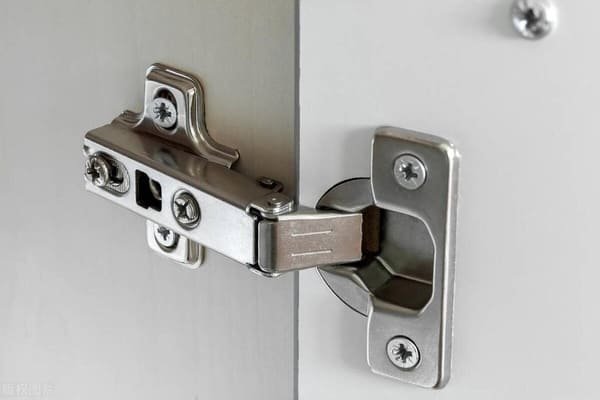
When an experienced purchaser like Jacky asks me for the "strongest" hinge for a premium furniture line, we do not just look at the brand name. We look at the technical specifications. Strength comes down to two main things: the material and the construction.
Material Makes the Difference
Most high-quality hinges, like the ones we produce at opensliding, are made of steel. Steel3 is much stronger than zinc alloy, which is a material often found in cheaper hardware. Steel3 resists bending under weight and wears down much more slowly over thousands of opening and closing cycles. As a factory providing top-quality hardware, we rely on steel for reliability.
Look at the Load Rating4
Construction is also important. A deeper hinge cup provides a more secure connection to the door material. Look for a cup depth of at least 11mm for a good grip. Finally, manufacturers provide a load rating. This number tells you how much weight a pair of hinges can safely support. Always check this specification, especially for tall pantry doors or doors with attached spice racks, as they carry extra weight. Using three or four hinges instead of two can dramatically increase the door’s stability.
| Strength Factor | Stronger Option | Weaker Option | Why it Matters |
|---|---|---|---|
| Material | Steel3 | Zinc Alloy | Steel3 resists bending and wear. |
| Cup Depth | 12mm+ | <11mm | A deeper cup means a more secure fit. |
| Hinges per Door | 3 or more | 2 | Distributes weight to prevent sagging. |
| Brand Origin | Reputable Factory | Unknown White Label | Quality control and materials are verified. |
How do I correctly specify door hinges for a wholesale order?
Placing a large B2B order for hinges feels like a big risk. One wrong detail in your specification can result in thousands of unusable parts and a major loss. Here is the checklist I use with my clients.
To specify hinges correctly, provide the type (e.g., European soft-close), overlay (e.g., full overlay), cup diameter and depth (e.g., 35mm cup, 11.5mm depth), opening angle (e.g., 110 degrees), and material or finish (e.g., steel, nickel-plated).
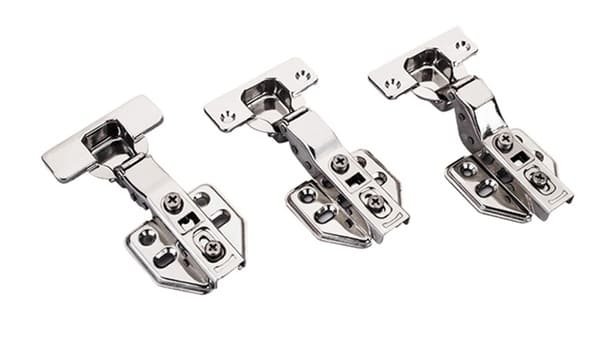
As a factory producing B2B hardware, getting clear specifications is everything. For a professional purchaser, getting the order right the first time saves a lot of money and project time. This is the exact information I ask for to guarantee success.
The Technical Checklist
First, we confirm the basic hinge type and overlay you need for your design. Second, we dive into the technical details. What is the cup diameter5 for the boring machine? The industry standard is 35mm, but 26mm and 40mm also exist. What is the bore distance, which is the distance from the edge of the door to the edge of the hinge cup hole? This is very important for correct door alignment. Will you need the cabinet doors pre-bored for these specific hinges?
Communicating with Your Supplier
We also discuss compatibility with the cabinet material, like particleboard versus solid wood, as this can affect the best screw choice. Finally, we confirm the opening angle, the finish, and any special features like soft-close mechanisms6. We can also add a custom LOGO to the hinge. A clear specification sheet like this one prevents expensive mistakes in large wholesale orders.
| Specification Item | Example | Notes for Purchaser |
|---|---|---|
| Hinge Type | European Soft-Close | Defines the function and style of the hinge. |
| Overlay | Full Overlay | This is critical for door alignment with the frame. |
| Cup Diameter | 35mm | Must match the drill bit (boring) size in production. |
| Bore Distance (K) | 4mm | Distance from door edge to the cup hole edge. |
| Opening Angle | 105° | Determines how far the cabinet door will open. |
| Finish | Nickel-Plated Steel | Affects both the durability and appearance. |
| Customization | Custom LOGO | Ask if the factory offers branding on the product. |
Conclusion
Choosing the right hinge involves checking cabinet style, door weight, and technical specs. Get these details right for a flawless and durable result in your projects every single time.
Learn about European hinges and their benefits for achieving a clean, modern look in cabinetry. ↩
Explore this link to understand the benefits and applications of heavy-duty ball-bearing hinges for your projects. ↩
Exploring this link will provide insights into why steel is preferred for durability and strength in hardware. ↩ ↩ ↩ ↩
Understanding load ratings is crucial for ensuring safety and functionality in door installations. ↩
Understanding the standard cup diameter is crucial for ensuring compatibility with your boring machine and achieving proper door alignment. ↩
Exploring how soft-close mechanisms function can help you choose the right hinges for a smoother, quieter cabinet door operation. ↩