
Struggling with high OEM packaging requirements from Chinese suppliers? The costs can feel overwhelming, but understanding the details helps you find a solution that fits your budget.
The typical minimum order quantity (MOQ) for OEM packaging on glass sliding door hardware is 500 to 2,000 units. This number covers the supplier’s fixed costs for production setup, raw materials, and labor, and it often matches the MOQ of the hardware itself.
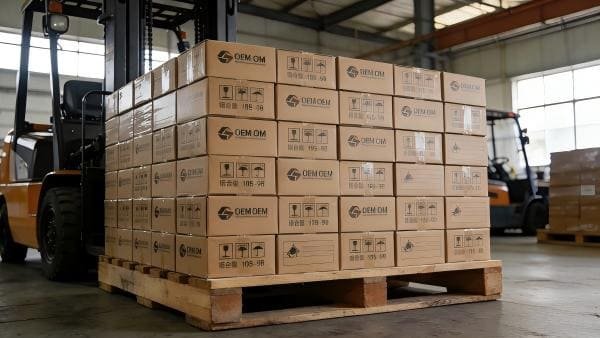
Getting your brand onto your products is a big step. It makes you look more professional and helps customers remember you. But when you start talking to suppliers in China about custom packaging, the term "MOQ" comes up fast. It can be confusing and sometimes frustrating. You might have a great design for a box, but the factory says you need to order thousands. Why is that?
I’ve been on the factory side of this conversation for years, and I want to pull back the curtain for you. The MOQ isn’t just a random number. It’s based on real costs. In the next few sections, I’ll break down the different MOQs for color boxes, labels, and more. This will help you plan your budget and negotiate better with suppliers like me. Let’s dive in.
What is the MOQ for custom color boxes and printed cartons?
Want branded boxes but face impossibly high quantity demands? This feels like a major roadblock to building your brand, but understanding the options makes it much easier to manage.
Full-color boxes usually have a higher MOQ, often starting at 1,000 to 2,000 units, due to complex printing. Simpler one-color printed cartons are more flexible, with MOQs around 500 to 1,000 units, making them a great starting point for custom branding.
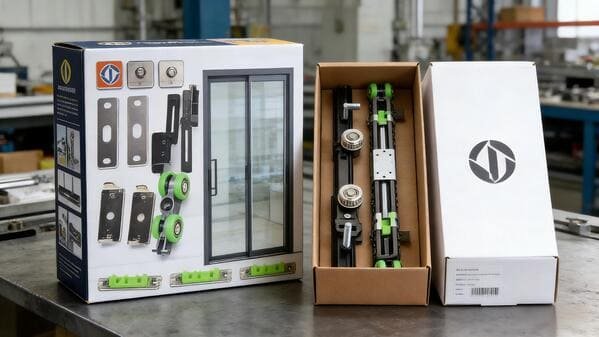
The biggest reason for the difference in MOQ comes down to the printing process. A full-color box requires a complex setup with multiple printing plates. The printing factory charges us a fixed fee to create these plates and set up the machine, whether we print 500 boxes or 5,000. To make that setup cost worthwhile for both us and the printing factory, we need to order a larger quantity. The cost per box goes down as the quantity goes up.
On the other hand, a simple one-color logo printed on a standard brown or white carton is much easier. The setup is faster and cheaper. This allows us to offer a much lower MOQ. For many of my customers, this is the perfect first step into OEM branding. You get your logo on the package without committing to a massive inventory.
Here’s a simple breakdown:
| Packaging Type | Typical MOQ | Key Cost Factor | Best For |
|---|---|---|---|
| Full-Color Box | 1,000 – 2,000+ units | Printing plate and setup fees | Established brands with high sales volume |
| Printed Carton | 500 – 1,000 units | Simpler, faster printing process | New brands or smaller order quantities |
Are there different MOQs for logos, labels, and manuals?
Need to brand more than just the main box? You might worry that every custom item adds another huge MOQ, but the good news is that smaller branding elements are more flexible.
Yes, the MOQs vary greatly. Logos applied directly to the product may have no extra MOQ. Custom adhesive labels are very flexible, often around 1,000 pieces. Manuals are also manageable, with MOQs typically starting at 500 to 1,000 copies.
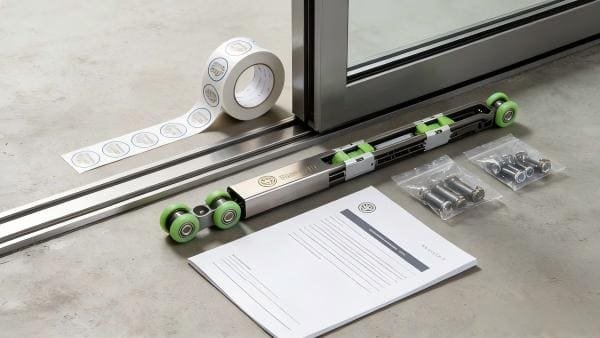
Let’s look at each item individually, because the process for each is very different. Putting a logo directly on the metal part of a sliding door roller is something we often do in-house with a laser engraving machine. Since the machine is already here and the process is part of our production line, we don’t need a separate MOQ for it. The MOQ is simply the MOQ of the roller hardware itself.
Labels and manuals are different because we outsource them to specialized printing companies. A printing shop might produce adhesive labels on a large roll that contains 2,000 stickers. So, their MOQ to us is 2,000 pieces. However, the cost per label is very low, so this is an affordable way to add branding. For instruction manuals, a simple black-and-white print run is cheap, so the MOQ is often low, maybe 500 copies. If you want a full-color, glossy manual, the cost and MOQ will be higher, similar to color boxes.
Here’s how they compare:
| Branding Item | Typical MOQ | Why it’s different |
|---|---|---|
| Product Logo | Same as product MOQ | Done in-house (e.g., laser engraving). No separate packaging cost. |
| Adhesive Labels | 1,000+ pieces | Outsourced, but very low cost per piece. |
| Manuals | 500 – 1,000+ copies | Depends on printing complexity (B&W vs. color). |
Can small orders still use OEM packaging options?
Do you feel like your small order size locks you out of custom branding? It can be frustrating, but you actually have several great OEM options that don’t require huge quantities.
Absolutely. For small orders, you can use options like custom adhesive labels, simple one-color carton printing, or even unbranded boxes with a custom-printed manual inside. These methods provide a professional touch without the high MOQ of full-color custom boxes.
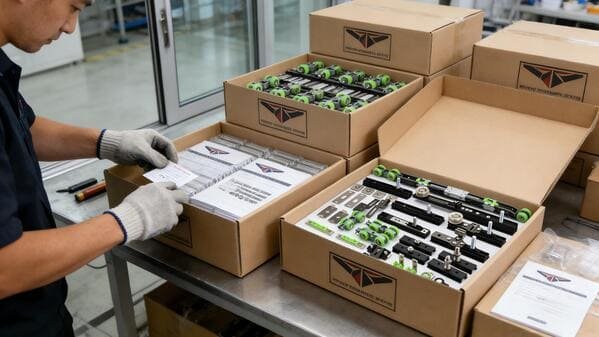
When you’re just starting or testing a new product, ordering thousands of units isn’t practical. I’ve worked with many buyers in this exact situation. We’ve found some very effective ways to build their brand without breaking the bank. The most popular solution is using a standard, neutral box (brown or white) and applying a well-designed sticker with your logo and product information. The MOQ for stickers is low, and the cost is minimal, but the result looks professional.
Another great strategy is printing your logo in a single color directly onto a standard carton. As I mentioned before, the MOQ for this is much lower than for a full-color box, often starting around 500 sets. It’s a clean, simple look that establishes your brand identity. You can also focus on the "in-box" experience. We can use our standard packaging but include your custom-printed instruction manual and a thank-you card with your branding. This adds a personal, branded touch that customers appreciate, and the MOQ for printed materials is very manageable.
Does the supplier offer flexible MOQs for first-time buyers?
Worried that as a new buyer, you’ll be forced into a high MOQ? It’s a common fear, but many suppliers, including me, are open to finding a solution that works for you.
Many suppliers are willing to be flexible on MOQs for first-time buyers to build a long-term relationship. This could mean a lower initial order, using shared materials, or starting with simpler branding options like custom labels instead of fully printed boxes.
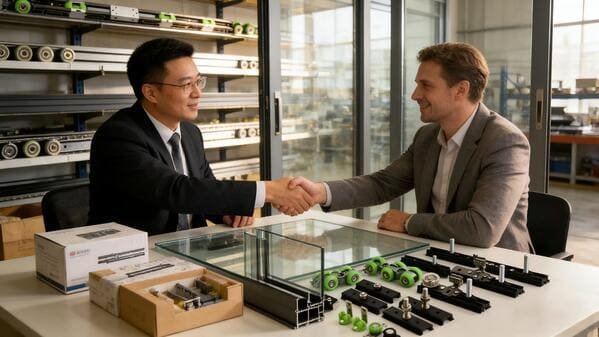
As a factory owner, my goal is to build lasting partnerships. I know that if I can help your business grow, you’ll become a valuable long-term customer. That’s why I’m often willing to be flexible with new buyers. For your first order, we might not make a big profit on the packaging, and that’s okay. We view it as an investment in our future business together. For example, if our standard MOQ for a printed carton is 1,000 units, I might agree to a 500-unit run for your trial order.
Another way we can be flexible is by using materials we already have in stock. If another customer uses a similar-sized box, we may be able to add your order to their print run, which helps lower the cost and minimum quantity for everyone. The key is to have an open conversation with your supplier. Explain your situation, your budget, and your goals. Ask questions like, "What is the most cost-effective way to get my logo on the packaging for a small trial order?" A good partner will work with you to find a smart solution.
Conclusion
In short, OEM packaging MOQs in China range from 500 to 2,000 units but are flexible. You can start small with labels or simple cartons and grow from there.