
Struggling with project delays while waiting for hardware samples? This uncertainty can disrupt your entire production schedule. Understanding the typical timeline is the first step to better planning.
Getting a sample for a glass sliding door pulley system from China generally takes 1 to 3 weeks. This includes 3-10 days for production and 7-10 days for international shipping. However, this varies based on supplier capacity, product complexity, and any requested customizations.
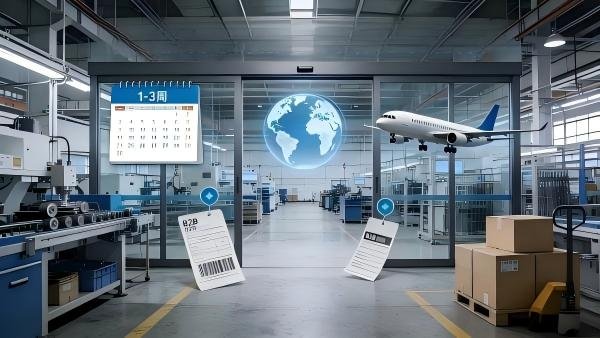
Getting your hands on a physical sample is a critical step in the procurement process. It allows you to verify the quality, functionality, and finish before placing a large wholesale order. As someone who has managed this process for years at opensliding, I know how important it is for buyers like you to have clear expectations. The timeline isn’t just about shipping; it’s a multi-step process. Let’s break down the factors that influence this timeline so you can plan your projects with more confidence and avoid unnecessary delays.
Can I request expedited sample production?
Facing a tight project deadline? Waiting for samples can be frustrating and cause costly delays. Knowing how to request faster service is a huge advantage for any purchasing manager.
Yes, you can often request expedited sample production from your Chinese supplier. This may involve an extra fee to prioritize your order. The most effective way is to clearly communicate your deadline and requirements with your supplier as early as possible.

In my factory, we understand that sometimes you need things done yesterday. I once worked with a client from Canada who had a last-minute opportunity to bid on a large hotel project. He needed our glass sliding door roller samples within 10 days to present to the developer. We were able to prioritize his sample in our production queue. This meant rescheduling some internal tasks and assigning a dedicated technician to his order. We managed to produce the sample in 2 days instead of the usual 5. He covered the express shipping fee, and the samples arrived right on time. This is what we call "expediting." It’s not always about making the machine run faster, but about re-prioritizing workflow. The key is communication. If you explain the urgency and are willing to potentially cover a small fee for overtime or faster shipping, most suppliers will do their best to help you meet your deadline.
| Service Level | Production Time | Cost Implication | Best For |
|---|---|---|---|
| Standard | 3 – 10 days | None | Regular project planning |
| Expedited | 1 – 3 days | Possible fee for labor/prioritization | Urgent client presentations, trade shows |
| Express Shipping | 3 – 7 days | Higher shipping cost | When you need the sample fast after production is complete |
How does customization affect sample lead time?
Need a custom part for your unique project? Customization can add complexity and extend timelines, sometimes unexpectedly. Understanding the process helps you manage your project schedule effectively.
Customization significantly extends sample lead time. Simple changes like a logo or finish may add a few days. However, creating a completely new part (ODM) that requires new tooling or molds can add 3 to 6 weeks to the production timeline alone.
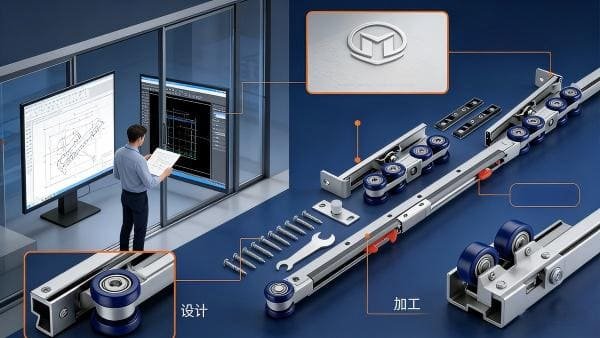
When you move from standard products to customized ones, you’re not just ordering from a shelf; you’re entering a development process. I always advise my B2B clients to factor this into their plans carefully. For example, engraving your company’s LOGO on a standard sliding roller is a simple modification. It might only add 2-3 days to the sample production time. But let’s say you need a roller with unique dimensions or a different load-bearing capacity. This requires our engineers to create new technical drawings, which need your approval. This back-and-forth communication, design, and setup can add 1-2 weeks. The biggest time investment is for an entirely new product design (ODM). Creating a new mold is a precise and complex process that can take over a month before the first sample is even produced. The more unique your request, the more time you should budget for sample development.
| Customization Type | Description | Estimated Time Added |
|---|---|---|
| Minor Modification | Adding a logo, changing color/finish. | 2 – 4 days |
| Major Modification | Changing dimensions, materials, or core mechanics. | 1 – 2 weeks |
| New Tooling (ODM) | Creating a brand new part from your design. | 3 – 6 weeks |
Are digital prototypes available before physical samples?
Want to catch design flaws early? Waiting for a physical sample only to find a mistake wastes valuable time and money. Digital tools can help you avoid this problem.
Yes, many modern suppliers, including us at opensliding, can provide 3D renderings or digital prototypes. This allows you to review the design, dimensions, and aesthetics on your computer before we commit to making a physical sample, saving significant time.
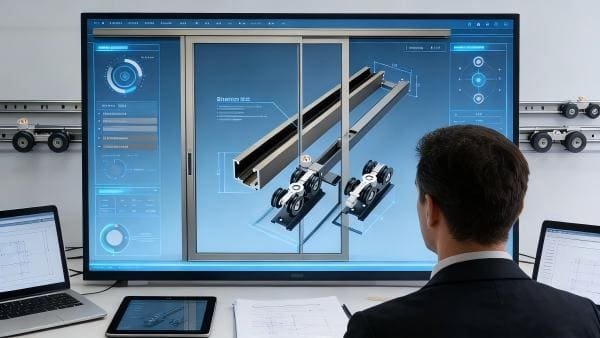
I strongly encourage all my clients, especially those requesting customizations, to use digital prototypes. It’s a game-changer for efficiency. Before we cut any metal or create any molds, our engineering team can create a detailed 3D model based on your specifications. We then send you the file, which you can rotate, zoom in on, and inspect from every angle. I had a furniture factory client who needed a specific cabinet sliding system. From the initial 3D rendering, he noticed that the clearance was too tight for his intended cabinet frame. We were able to adjust the design digitally in just a few hours. Imagine if he had waited two weeks for a physical sample to discover that issue. The project would have been delayed by weeks. Getting digital approval first ensures the physical sample we produce is exactly what you expect, making the process much smoother and faster. It’s a simple step that prevents costly mistakes down the line.
How do I confirm sample quality before mass production?
The sample looks good, but how can you be sure it will perform? Approving a sample based on looks alone is risky. You need a reliable way to verify its quality.
To confirm sample quality, you should perform your own tests and request a "sealed sample" agreement. This means you and the supplier both keep an identical, approved sample as the quality standard for the entire mass production run.
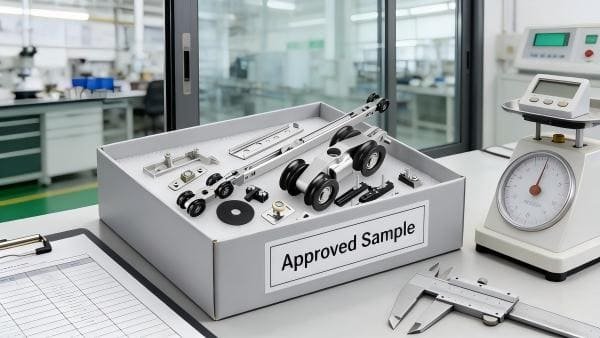
Once you receive the physical sample, your work has just begun. I always tell my clients to put our samples to the test. Install the glass door pulley system. Check the smoothness of the slide. Test the weight capacity. Listen for any noise. Try to simulate the real-world conditions it will face. After you are completely satisfied, the next step is crucial for ensuring quality consistency. We call it "sealing the sample." You keep the approved sample, and we keep an identical one at our factory. This sealed sample becomes our "golden standard." Every single piece in the mass production order must match this standard. We use it for our internal quality control checks throughout the manufacturing process. This simple agreement removes any ambiguity and protects you from quality variations, ensuring the 10,000th piece you receive is just as good as the first sample you approved. It’s the best way to guarantee consistency.
Conclusion
In short, getting a glass door hardware sample from China takes 1-3 weeks. Clear communication, digital prototypes, and sealed samples are key to ensuring a fast and successful procurement process.