
Struggling with mismatched cabinet hinges? This leads to misaligned doors and frustrated clients. I’ll show you a simple selection method that ensures a perfect fit every time.
The best selection method involves identifying your cabinet type (framed or frameless), measuring the door overlay, and choosing a hinge style that matches your desired function. This ensures both proper alignment and the right look for your project, preventing costly mistakes and rework.
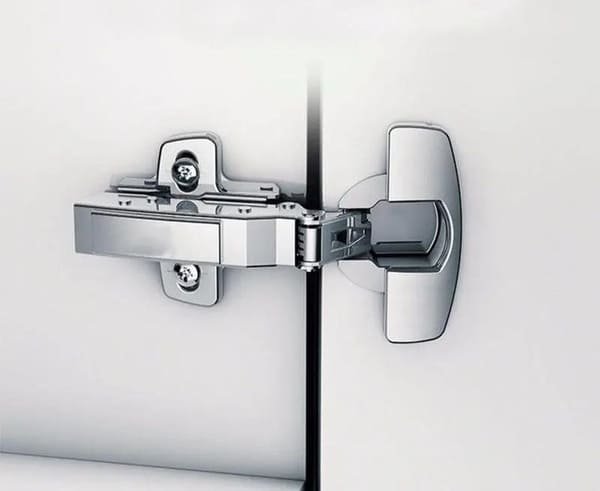
In all my years running a hardware factory, I’ve seen that the smallest parts often cause the biggest headaches. When it comes to cabinets, a lot hinges on the hinges. Their style and function affect the overall appearance and performance of your cabinets and doors. It’s about more than just picking a nice color. You also need to consider how they work and how they fit your furniture. Let’s get into the details so you can make the right choice for your next project.
What is the rule for hinges?
Confused by the different hinge rules? Using the wrong one can ruin an expensive cabinet set. Here’s the fundamental rule to guide your every choice.
The main rule for hinges is ‘form follows function.’ First, determine the hinge’s mechanical requirements based on cabinet type, door weight, and desired motion. Then, you can select a style and finish that complements the design. Function always comes before looks.
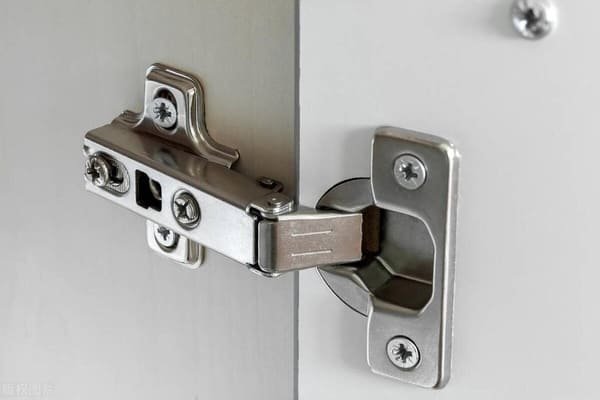
I always tell my purchasing clients, like my friend Jacky in Canada, that you have to think like an engineer before you think like a designer. A beautiful hinge that can’t support the door is useless. The primary rule is to solve the mechanical problem first. This means you need to look at the cabinet’s structure and the door’s specifications before you even think about the finish. Once the functional needs are met, you can explore the aesthetics. This simple, function-first approach saves time, money, and a lot of frustration down the line. It ensures the cabinets will work perfectly for years to come.
Rule 1: Match the Hinge to the Cabinet Type
The very first step is to identify what kind of cabinet you’re working with. There are two main types: framed and frameless.
- Framed Cabinets1: These have a face frame attached to the front of the cabinet box. The door is then mounted on this frame. You will need face frame hinges.
- Frameless (or Euro-style) Cabinets: These do not have a face frame. The cabinet door attaches directly to the side of the cabinet box. You will need European-style or frameless hinges.
Rule 2: Determine the Overlay or Inset
The overlay is the distance the cabinet door overlaps the cabinet opening on the hinge side. It’s a critical measurement.
- Full Overlay2: The door covers the cabinet opening completely.
- Half Overlay: The door covers about half of the cabinet side panel, often used when two doors share a single partition.
- Inset: The door sits flush inside the cabinet opening, not on top of it. This style requires specific inset hinges.
How do I know what hinges I need?
Worried about ordering the wrong hinges for a big project? It’s a costly mistake that I’ve seen happen. I’ll give you a clear checklist to identify exactly what you need.
You know what hinges you need by answering three questions: 1. Is your cabinet framed or frameless? 2. What is the door overlay measurement? 3. Do you need special features like soft-close? This simple process eliminates all guesswork.
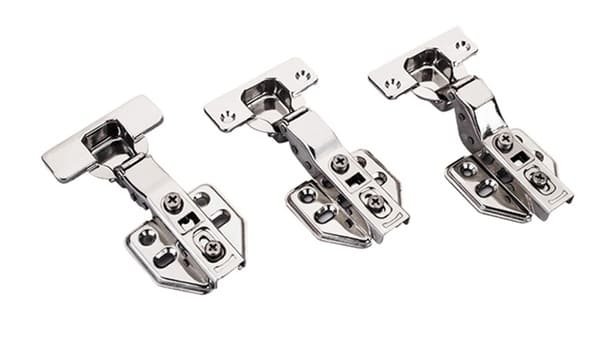
I once worked with a large furniture factory that ordered ten thousand hinges without confirming the overlay. The doors didn’t close properly, and their production line stopped. We had to rush a new order of custom hinges to fix their problem. It was a stressful situation for them that could have been avoided by following a simple process. They learned a valuable lesson: check the basics first. Let’s break down that process so you don’t make the same mistake. Answering these questions before you place an order will guarantee you get the right product from the start.
Step 1: Analyze Your Cabinet Construction
As we discussed, you must first know if you have a framed or frameless cabinet. This is non-negotiable, as the mounting plates and hinge arms are completely different for each type. Look at your cabinet box. If you see a wooden frame around the front opening, it’s framed. If the box edges are simple, flat panels, it’s frameless.
Step 2: Measure for the Perfect Fit
Next, you need to measure the overlay. To do this, close the cabinet door. Place a piece of tape on the face frame (or cabinet side for frameless) right against the edge of the door on the hinge side. Then, open the door and measure from the edge of the tape to the edge of the cabinet opening. This distance is your overlay. It will likely be a standard measurement like 1/2 inch, 1 1/4 inches, or it might be full overlay. Having this exact number is crucial for ordering concealed hinges.
Step 3: Define Functional Needs
Finally, what do you want the hinge to do?
- Soft-close: Do you want the door to close silently and smoothly? Then you need a soft-close hinge3. This is a top feature in modern cabinetry.
- Self-close: Do you want the door to pull itself shut from a certain point?
- Opening angle: How far do you need the door to open? Standard angles are 110 degrees, but wider 170-degree angles are available for full access.
How to select hinge size?
Does hinge size seem like a mystery? Choosing incorrectly can lead to door sag or damage over time. Let’s simplify how to select the right size and quantity for any application.
Hinge selection depends on the door’s height, weight, and thickness. Most standard cabinet doors use two hinges. For taller or heavier doors, you must add more hinges to distribute the load evenly and prevent sagging over time.
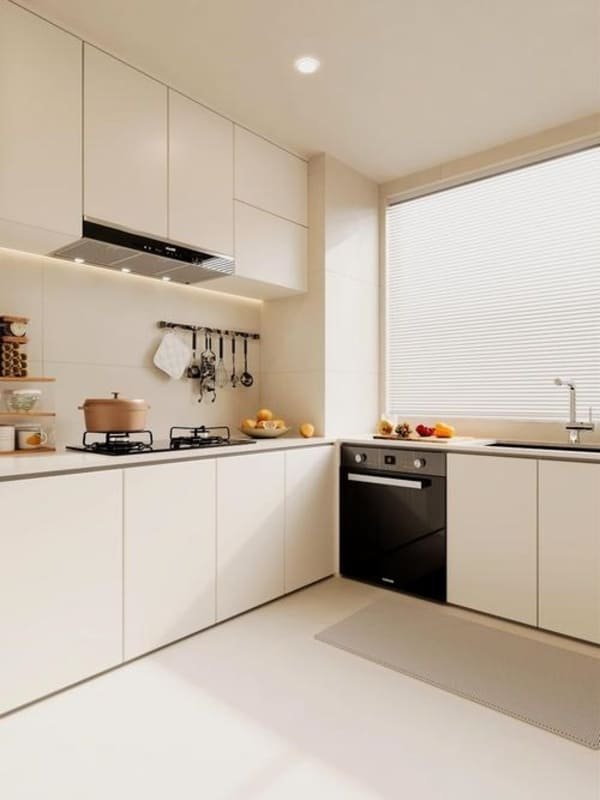
The term "hinge size" can be a bit confusing. For concealed hinges, the most common "size" refers to the cup diameter drilled into the door, which is typically 35mm for standard cabinet doors. However, the more important factor is not a single size but the number of hinges needed to safely support the door. A heavy, solid wood door will need more support than a small, lightweight MDF door. Putting too few hinges on a heavy door is a recipe for failure. The door will sag, put stress on the hinges and cabinet, and eventually fail.
Understanding Hinge Quantity
The number of hinges you need is directly related to the physical properties of your cabinet door. You cannot guess this. You need to use a simple formula based on height and weight.
The Weight and Height Rule of Thumb4
As a factory, we provide clear guidelines to our B2B customers. Use this table as a starting point for your projects. Always check the specifications from your hinge supplier, but this guide works for most common scenarios.
| Door Height | Door Weight | Recommended Hinges5 |
|---|---|---|
| Up to 40" (~100cm) | Up to 11 lbs (~5kg) | 2 |
| Up to 60" (~150cm) | Up to 20 lbs (~9kg) | 3 |
| Up to 80" (~200cm) | Up to 33 lbs (~15kg) | 4 |
| Over 80" (~200cm) | Over 40 lbs (~18kg) | 5 or more |
Always aim for more support if you are unsure, especially with expensive or heavy door materials. It’s better to have an extra hinge than a sagging door.
How to match up cabinet hinges?
Replacing old or broken hinges but can’t find an exact match? This is a common headache for contractors and remodelers. I’ll show you how to match new hinges to existing cabinets.
To match cabinet hinges, first identify the type (e.g., concealed, butt). Then, measure the overlay and note the cup hole diameter and screw hole pattern. Bringing an old hinge to a supplier or sending them detailed photos is the best way to find a replacement.
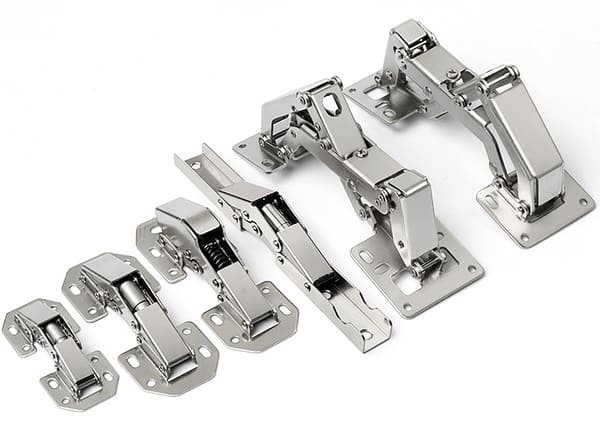
When you are simply replacing a few broken hinges in a kitchen, getting a perfect match is critical. The last thing you want is a door that looks or functions differently from the rest. The key is in the details. You can’t just buy any hinge that looks similar online. You need to check the critical dimensions to ensure it will fit into the existing holes and operate the same way. If you don’t, you risk needing to re-drill the cabinet doors, which can be messy and time-consuming.
Matching by Type and Overlay
First, confirm the hinge type and overlay. Is it a concealed European hinge6 on a frameless cabinet? Or a traditional butt hinge on a framed cabinet? Measure the overlay of one of the existing, working doors to know exactly what function to look for in a replacement. These two factors will narrow down your search significantly.
The Importance of Screw Hole Patterns
For concealed hinges, the placement of the screw holes on both the cup (on the door) and the mounting plate (on the cabinet) is critical. Different brands use different patterns. Measure the distance between the center of the screw holes. If you can find a new hinge with the same pattern, you can simply unscrew the old one and screw in the new one. This makes the job fast and easy. If you can’t find an exact match, you may need a plate that allows for adjustment, or you will have to drill new pilot holes.
Matching Aesthetics and Finish
Finally, consider the look. If the hinge is visible, like a butt hinge, you’ll need to match the finish (e.g., satin nickel, oil-rubbed bronze, chrome). For concealed hinges, this is less important, but many people still prefer a consistent look inside their cabinets. As a factory at opensliding, we can produce custom finishes for large wholesale orders, ensuring a perfect match for
Conclusion
Selecting the right cabinet hinges involves matching the hinge to your cabinet type, measuring the overlay, and considering function. Follow these steps for a perfect result every time.
Understanding Framed Cabinets will help you choose the right hinges and enhance your cabinet’s functionality. ↩
Exploring Full Overlay will provide insights into cabinet door styles and their impact on aesthetics and space. ↩
Explore this link to understand the benefits of soft-close hinges for a quieter, smoother cabinet experience. ↩
This resource will provide you with essential tips and formulas to determine the correct number of hinges needed for your cabinet doors. ↩
Explore this link to find detailed guidelines on selecting the right hinges for your cabinet doors, ensuring durability and functionality. ↩
Understanding concealed European hinges can help you choose the right replacement for your cabinets. ↩