
Struggling with bulky doors that ruin your clean design? They take up space and disrupt the flow. Ghost doors are the invisible solution for a modern, open-concept feel.
Ghost doors are a type of sliding or pocket door system where the door panel is concealed within the wall when open. This creates a seamless, minimalist look that makes spaces appear larger and more open, saving valuable floor space and hiding the door completely from view.
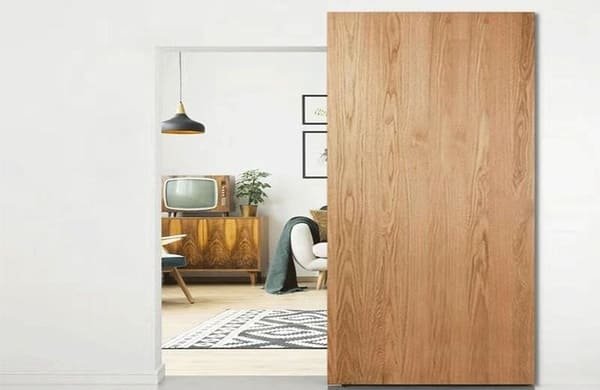
This ‘magic’ isn’t just an illusion; it’s the result of clever design and high-quality hardware. As a factory owner, I’ve seen firsthand how the right system can transform a room. But what exactly defines a ghost door, and how does it achieve this impressive vanishing act? Let’s explore what makes these doors a game-changer for modern spaces.
What is a ghost door?
Heard the term "ghost door" but not sure what it means? This can be confusing when sourcing for a minimalist project. A ghost door is a door designed to be invisible.
A ghost door is an architectural feature where the door panel slides into a hidden pocket in the wall or sits flush against it, becoming virtually invisible. The goal is to create an uninterrupted wall surface for a clean, minimalist aesthetic and maximum space-saving functionality.
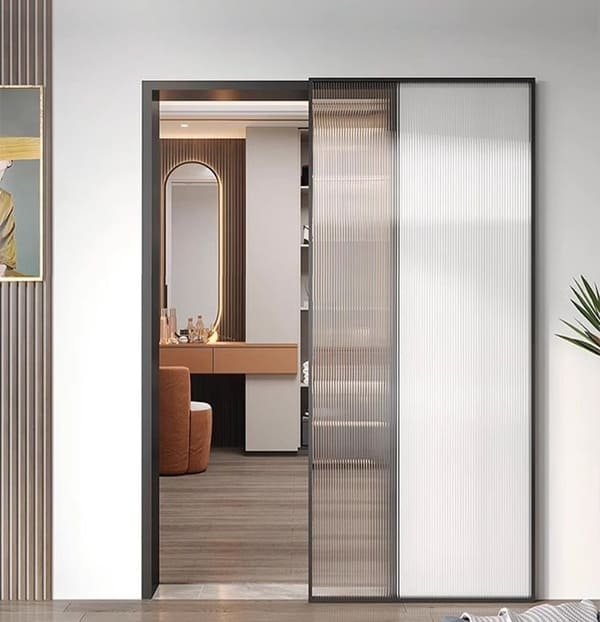
In my years of manufacturing door hardware, I’ve learned a "ghost door" isn’t one single product but a design concept. It’s all about making the door blend in seamlessly. The main goal is to eliminate the visual interruption of a traditional door frame and hinges. This creates a clean, modern look that my customers, especially those in high-end construction, are always asking for.
Key Characteristics
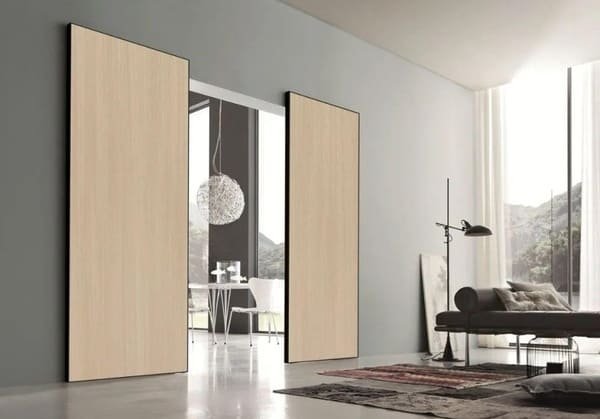
The most common type is a pocket door1, where the door slides into a cavity built into the wall. Another style is the frameless sliding door2, where the track is concealed in the ceiling, and the door panel glides flush against the wall.
Why It’s Called a "Ghost"
It earns its name because when it’s open, it completely vanishes. There’s no door leaning against the wall or swinging into the room. It just disappears, leaving a clean opening and an uninterrupted wall. This is the "magic" that architects and designers love. At opensliding, we create the critical hardware that makes this happen smoothly and silently.
How do ghost doors differ from regular doors?
Thinking a door is just a door? This simple view can limit your design possibilities and waste precious space. Ghost doors function differently, focusing on aesthetics and maximizing your layout.
Regular doors swing on hinges, requiring clear floor space to open. Ghost doors slide on a track, disappearing into or alongside a wall. This key difference eliminates "swing space," saves room, and provides a completely clean, minimalist appearance that regular doors simply cannot achieve.

The difference is night and day, especially for contractors and furniture designers who plan layouts meticulously. I once visited a client, Jacky from Canada, who was designing compact urban apartments. He needed to save every square inch. A regular swing door would have made the small bedroom feel cramped. We switched his order to our pocket door systems, and the problem was solved. The primary differences really come down to three areas: space, aesthetics, and mechanics.
Here’s a simple breakdown I use when explaining it to clients:
| Feature | Regular Swing Door | Ghost Sliding Door |
|---|---|---|
| Space Usage | Requires clear swing arc | Needs zero floor space |
| Aesthetics | Visible frame and hinges | Seamless, invisible when open |
| Installation | Simple frame install | Requires wall cavity/track install |
| Hardware | Hinges, doorknob | Concealed track, rollers, pulls |
The mechanics are the most critical part. For a ghost door, the quality of the sliding wheel system determines everything. A cheap system will be noisy and jerky, ruining the whole "magic" effect. That’s why we focus on top-quality, silent rollers in our factory.
How do ghost sliding doors work?
A door that disappears into the wall seems like complicated magic. Not understanding the mechanics can lead to bad purchasing decisions. The secret is simple: a high-quality track and roller system.
Ghost sliding doors operate on a track system hidden within the ceiling or the top of the wall. Rollers, or wheels, are attached to the top of the door panel and glide along this track. This allows the door to slide smoothly and quietly into a wall pocket.
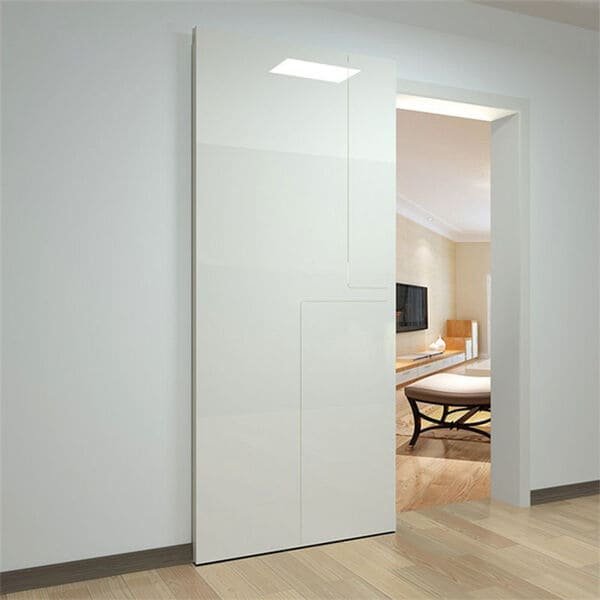
Let’s get into the factory details here. The entire system’s success hinges on a few core components. I always tell my B2B clients to focus on the hardware first, because that’s the heart of the system.
Core Components
- The Track: This is usually an aluminum rail installed inside the wall’s header or on the ceiling. It must be perfectly level and strong enough to support the door’s weight without bending.
- The Rollers (Lifting Wheels)3: These are attached to the top edge of the door. The quality of the wheels is everything. At opensliding, we use precision bearings to ensure a silent, effortless glide. This is what separates a premium feel from a cheap one.
- The Door Panel: This can be wood, glass, or another material. It needs to be perfectly flat and sized correctly for the opening.
- The Wall Pocket: For pocket doors, this is the hidden "garage" inside the wall where the door rests when open. It’s a frame that gets covered by drywall.
Modern systems, like our slow-lifting wheel models, often include soft-close mechanisms4. This prevents the door from slamming and adds a touch of luxury. It’s a small detail that makes a huge difference in the user experience.
What does "sliding doors" mean in slang?
Ever heard someone mention a "sliding doors moment" and felt confused? It’s easy to feel left out of the conversation. This slang term refers to a small, random event that changes everything.
In slang, "sliding doors" refers to a moment where a small, seemingly insignificant choice leads to a drastically different life path. The term comes from the 1998 movie "Sliding Doors," which shows two parallel timelines based on whether the main character catches a train or not.
While it’s not directly related to our hardware products, I find this concept fascinating. The phrase became popular because the movie did such a great job showing how one tiny event—catching or missing a train—could split a person’s life into two completely different realities. It’s a powerful metaphor for fate, choice, and chance.
Everyday Examples
You might hear someone say:
- "Meeting my business partner was a real sliding doors moment5. I almost didn’t go to that trade show."
- "If I hadn’t taken that wrong turn, I never would have discovered this supplier. A total sliding doors situation."
In a way, choosing the right supplier for a project can feel like a "sliding doors moment5" for a business. Making the right choice, like selecting high-quality hardware6 from a reliable factory like opensliding, sets your project on a path to success. The wrong choice can lead to delays, budget overruns, and unhappy customers. It all comes down to those small, critical decisions.
Conclusion
Ghost doors offer a magical, space-saving solution for modern design. Understanding their mechanics and choosing quality hardware is the key to creating a truly seamless and functional space.
Explore this link to understand how pocket doors can save space and enhance the aesthetics of your home. ↩
Discover the advantages of frameless sliding doors and how they can transform your living space. ↩
Explore this link to discover high-quality rollers that enhance the performance and longevity of your sliding door system. ↩
Learn about soft-close mechanisms to understand how they improve safety and convenience in sliding door systems. ↩
Understanding the concept of a sliding doors moment can help you recognize pivotal decisions that shape your business success. ↩ ↩
Exploring this topic will guide you in selecting the best materials, ensuring your project’s success and customer satisfaction. ↩