
Choosing the wrong sliding door hardware can cause major headaches and unexpected costs. A poor choice leads to difficult operation and unhappy clients, turning a simple installation into a big problem.
When choosing a sliding door system, you must consider the door’s weight and material, the quality of the rollers and bearings, the track’s durability, and the reliability of the manufacturer. These factors directly affect the system’s safety, smoothness, and lifespan. A good decision here ensures long-term performance.
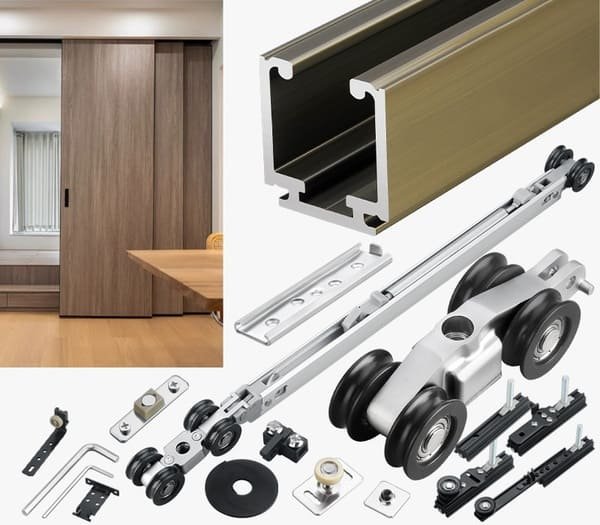
Making the right choice for your sliding door system is a big deal. It’s not just about how it looks; it’s an investment in how a space functions for years to come. As a factory owner, I’ve seen firsthand how a small component can make or break an entire project. Getting it right from the start saves you time, money, and protects your reputation. Let’s break down what you really need to look for to make sure you’re getting the best value and performance for your projects.
What to look for when buying a sliding door kit?
Buying a complete kit seems simple, but low-quality or missing parts will stop your project. You then waste time and money finding the right components for a supposedly "all-in-one" solution.
A good sliding door kit must include high-quality rollers with smooth bearings, a strong track that won’t bend, effective door stoppers, and a reliable floor guide. Check that every component is made from durable materials to ensure the whole system works perfectly together for years.
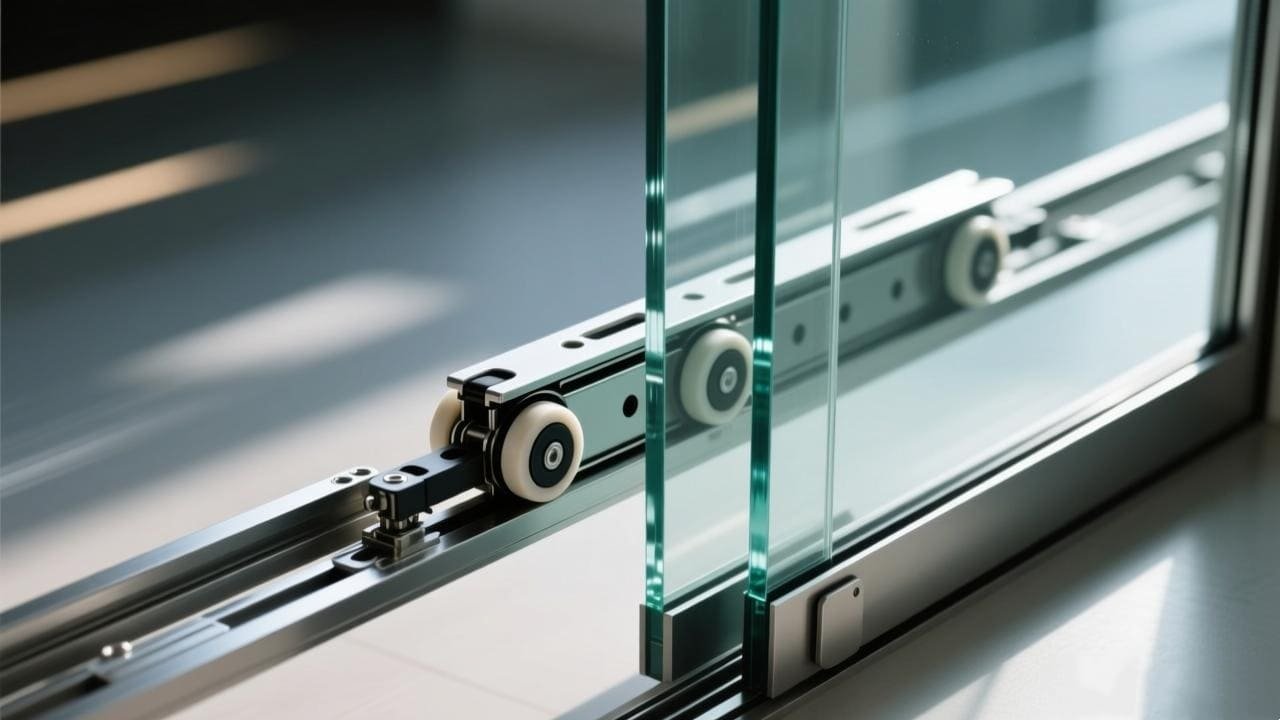
When you get a sliding door kit, you expect everything to work together. But the quality of each part is what really matters. I’ve worked with many buyers like Jacky who know that the details make the difference. A great kit is more than just a box of parts; it’s a complete solution that guarantees performance. A cheap roller bearing can cause noise and friction, while a weak track can bend under the weight of a heavy wooden door. That’s why we always tell our clients to look closely at the specifications of each component.
Key Kit Component Checklist
| Component | What to Look For | Why It Matters |
|---|---|---|
| Rollers | Smooth, sealed bearings (e.g., nylon or high-grade steel). | Ensures quiet, effortless gliding and prevents dust buildup. |
| Track/Rail1 | Solid aluminum or steel with a uniform finish. Check weight capacity. | Provides the structural support for the door. A weak track will sag. |
| Soft-Close Mechanism2 | A durable hydraulic damper system. | Prevents slamming, protecting the door and frame from damage. It adds safety. |
| Stoppers & Guides | Strong materials that won’t crack. Adjustable for precise positioning. | Keeps the door securely on the track and moving in a straight line. |
How to choose sliding doors?
People often focus on the hardware and forget about the door panel itself. A door that is too heavy or made from the wrong material will ruin the performance of even the best system.
To choose a sliding door, first determine the right material, like wood, glass, or a composite, for your space. Then, check the door’s final weight and thickness. Ensure these specifications match the weight capacity of your hardware system for safe, smooth, and reliable operation.
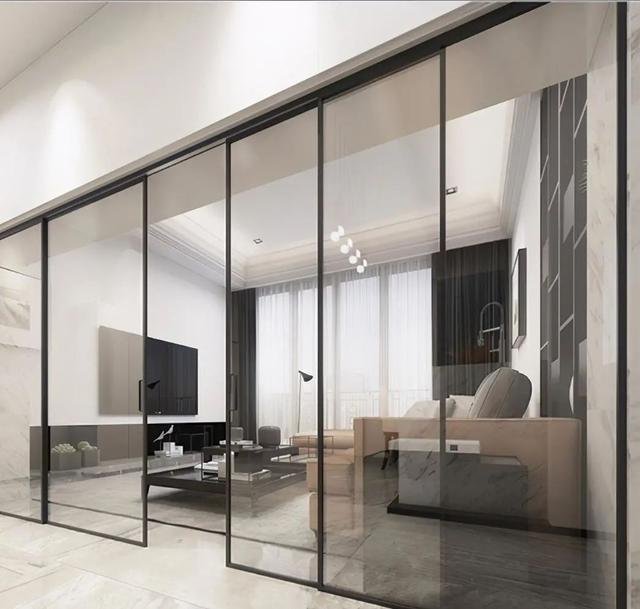
The door panel and the hardware system are a team; one can’t work well without the other. In my experience, the most common failures happen when a beautiful, heavy solid wood door is paired with a standard hardware kit designed for lightweight doors. The system is immediately overloaded. This is especially important for construction contractors and furniture factories who need reliability. You must balance the look and feel of the door with the practical needs of the hardware. A perfect match means the door will glide smoothly for a long time, keeping your customers happy and avoiding callbacks for repairs.
Matching Doors to Hardware
| Door Material | Typical Weight Range | Recommended Hardware System | Key Consideration |
|---|---|---|---|
| Hollow Core Wood | 20-40 kg (45-90 lbs) | Standard-duty top-hung system | Ideal for closets and interior rooms. Cost-effective. |
| Solid Core Wood3 | 40-100 kg (90-220 lbs) | Heavy-duty top-hung system with steel rollers | Needs strong track and robust rollers to handle the weight. |
| Framed Glass | 30-80 kg (65-175 lbs) | System with visible clamps or hidden top rollers | The hardware style should complement the modern look of glass. |
| Frameless Glass4 | 50-120 kg (110-265 lbs) | Heavy-duty glass-specific hardware | Safety is critical. Ensure hardware is rated for tempered glass. |
How do I choose a sliding door track?
The track is the backbone of your sliding door system, but they are not all the same. A weak or poorly made track will cause noise, bumpy operation, and quick wear and tear.
Choose a track based on the door’s weight and how it will be used. Aluminum is great for standard interior doors because it’s light and won’t rust. For heavy doors or high-traffic areas, steel offers the best strength and long-term durability. Always check the weight capacity.

The track does all the heavy lifting, quite literally. It supports the full weight of the door, day in and day out. For a purchasing manager at a door factory, choosing the right track material is a crucial cost-versus-performance decision. An aluminum track might be perfect for a lightweight wardrobe system, helping keep project costs down. But for a large wooden barn door or a heavy glass partition, specifying a heavy-duty steel track is non-negotiable. The finish on the track is also important. A smooth, hard-wearing surface allows the rollers to glide with minimal friction and noise, which is a key sign of a quality system.
Key Track Considerations
| Track Material | Best For | Pros | Cons |
|---|---|---|---|
| Aluminum5 | Interior doors, wardrobes, cabinets up to 80 kg. | Lightweight, corrosion-resistant, easy to install, cost-effective. | Can bend or deform under very heavy loads. |
| Steel6 | Heavy wooden doors, large glass partitions, exterior doors over 80 kg. | Extremely strong, durable, resists warping over time. | Heavier, may require more robust wall mounting, can rust if not finished properly. |
What is the common problem with sliding doors?
You install a new sliding door, but it soon starts to stick, make noise, or jump off the track. These common issues can stop a project and hurt your reputation with your clients.
The most common sliding door problems are sticking, loud noises, and the door coming off its track. These issues are usually caused by low-quality rollers, a dirty or damaged track, or a system that isn’t strong enough to support the door’s weight.

When a customer complains, it’s almost always about one of three things: it’s hard to move, it’s loud, or it’s not secure. As someone who manufactures these systems, I can tell you that these problems almost always point back to the quality of the core components. A purchasing professional like Jacky knows that saving a few dollars on cheaper hardware can lead to expensive repair calls later. Using rollers with high-quality bearings prevents noise and friction. Choosing a track that is correctly rated for the door’s weight stops it from de-railing. Investing in quality upfront is the best way to prevent these common problems and deliver a product that you can stand behind.
Troubleshooting Common Sliding Door Issues
| Problem | Likely Cause(s) | How to Prevent It |
|---|---|---|
| Sticking or Jerky Motion7 | Debris in the track; Worn-out or low-quality roller bearings. | Choose systems with easy-to-clean tracks and rollers with sealed bearings. |
| Loud Grinding Noise8 | Poor quality bearings in the rollers; Track or rollers are damaged. | Invest in hardware with high-grade steel or nylon rollers and smooth bearings. |
| Door Comes Off Track | Door is too heavy for the system; Improperly installed stoppers or guides. | Always verify the hardware’s weight capacity exceeds the door’s weight. Ensure all guides are installed. |
| Door Doesn’t Hang Straight | Wall or track is not level; Hangers are not adjusted correctly. | Ensure precise, level installation of the track. Use hardware with adjustable hangers. |
Conclusion
Choosing the right sliding door system means focusing on the door type, quality hardware, and the right supplier. It’s an investment in functionality, safety, and long-term performance.
Exploring the best materials for tracks and rails can help ensure your door’s longevity and performance. ↩
Understanding soft-close mechanisms can enhance your knowledge of door safety and functionality. ↩
Explore this link to understand the best hardware options for Solid Core Wood doors, ensuring safety and durability. ↩
Discover essential information on hardware for Frameless Glass doors to ensure safety and aesthetic appeal. ↩
Explore the benefits of Aluminum for interior doors, including its lightweight and corrosion-resistant properties. ↩
Discover why Steel is the go-to material for heavy doors, focusing on its strength and durability. ↩
Explore this link to find effective solutions and tips to ensure smooth sliding door operation. ↩
Discover expert advice on eliminating grinding noises and improving your sliding door’s performance. ↩