
Struggling with a clunky, space-wasting traditional door? A poor choice can ruin a room’s flow and function. Let’s explore the stylish, space-saving solution of sliding doors together.
Before installing a sliding door, you must consider the door type (bypass, pocket, barn), the installation location, the correct size for the opening, the best door material for your needs, and the long-term maintenance requirements. Getting these factors right ensures a successful and functional installation.
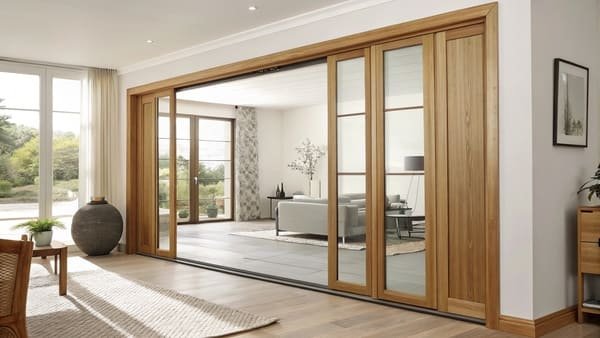
Sliding doors have become a favorite in modern design because they are both stylish and practical. They offer a great way to save space and improve how a room feels and works. But before you jump into installation, it’s very important to think through a few key points. This guide will walk you through everything you need to know to make sure your sliding door project is a complete success, from choosing the right hardware to the final placement. Let’s make sure you get the most out of your new door.
What type of sliding door is right for you?
With so many sliding door options, it’s easy to feel lost. Choosing the wrong type can disrupt your project’s design and practicality. Let’s break down the main styles.
The right sliding door depends on your available wall space, desired aesthetic, and functional needs. Common types include bypass, pocket, barn, and folding doors, each suited for different applications and structural requirements. Your project’s specific needs will determine the best choice.
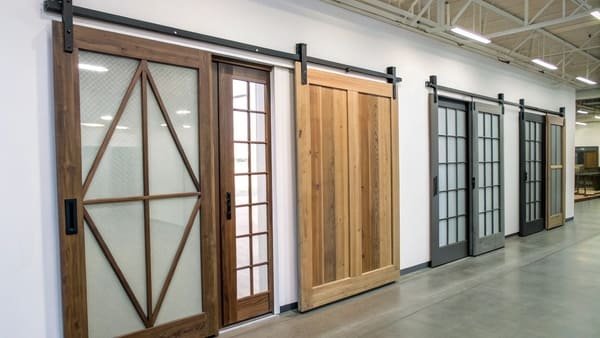
Choosing the correct type of sliding door is the first big decision you’ll make. It affects not just the look but also how the door functions daily. As a hardware manufacturer, I’ve seen how the right system can transform a space. The mechanism is just as important as the door panel itself. You need to think about how much space you have, not just for the door but also for its track and movement. Let’s dive deeper into the most common options to help you decide.
Common Sliding Door Types
| Door Type | Space Required | Installation Complexity | Best For |
|---|---|---|---|
| Bypass1 | Width of two doors | Low | Wardrobes, closets, wide openings |
| Pocket2 | Wall cavity space | High | Saving maximum floor space |
| Barn | Wall space beside opening | Medium | Rustic or industrial aesthetic |
| Folding | Small stack space | Medium | Room dividers, patio access |
Each system uses different rollers and tracks. For example, bypass doors need a double track, while a pocket door system is built right into your wall, making it completely invisible when open. Consider the weight of your door panel when selecting hardware—heavy doors require a more robust roller and track system to ensure smooth, safe operation for years.
Where should you install your sliding doors?
You have the perfect sliding door in mind, but where should it go? Putting a sliding door in the wrong place can create daily hassles and limit its benefits.
You should install sliding doors in areas where saving space is critical, like small bathrooms, laundry rooms, closets, or pantries. They are also excellent as room dividers in open-plan layouts or for connecting indoor and outdoor spaces like patios and balconies, enhancing flow and light.
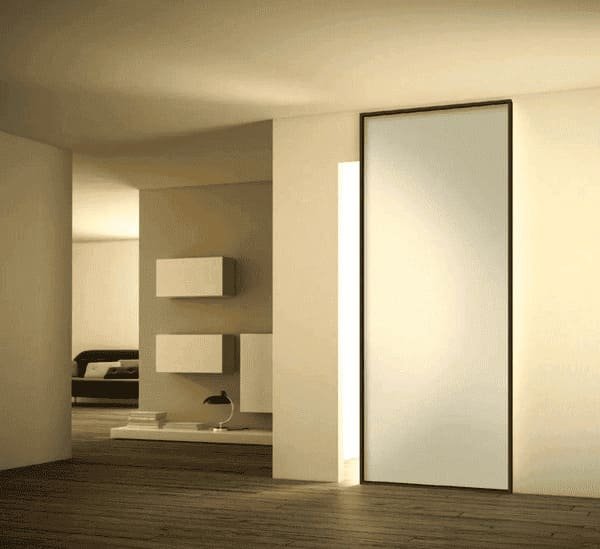
The beauty of a sliding door is its ability to solve problems. In my experience working with contractors and furniture factories, the most successful installations are those that are planned with purpose. Sliding doors are not just for patios anymore. They are a smart solution for tight interior spaces where a swinging door would be awkward or impossible. Think about the flow of traffic in your space. A sliding door removes the obstacle of an inward or outward swing, creating cleaner lines and more usable floor space. Let’s look at some prime locations.
Strategic Installation Locations
- Tight Spaces3: Areas like en-suite bathrooms, walk-in closets, or laundry rooms are perfect candidates. Here, every square foot matters. A sliding door provides full access without requiring the clear floor space that a traditional hinged door needs to swing open.
- Room Dividers: For large, open-concept spaces, a set of sliding doors can create temporary walls. This allows you to close off a home office for privacy or separate the dining area from the living room during a party. A linkage door system, where multiple panels move together, is especially effective here.
- Connecting Indoors and Outdoors4: Large glass sliding doors are a classic choice for patios, decks, and balconies. They create a seamless transition, open up views, and allow plenty of natural light to flood the room, making the space feel larger and more connected to the outside.
What size sliding door do you need?
Thinking you can just guess the door size? An incorrectly sized door will either not fit, not close properly, or look completely out of place, wasting time and money.
To get the right size, first measure the height and width of the finished door opening in at least three places. For a sliding door, the panel should be slightly taller and wider than the opening to ensure full coverage and prevent gaps, especially for barn doors.
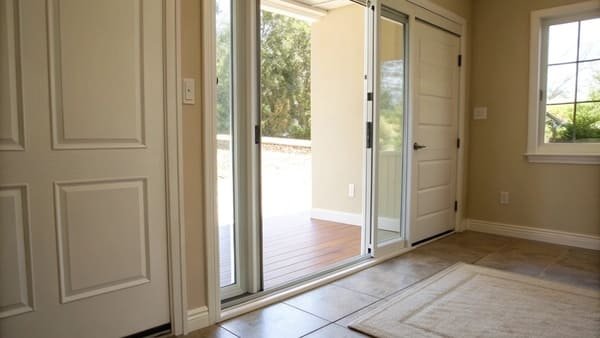
Accurate measurements are non-negotiable. I can’t tell you how many times I’ve consulted with buyers who ordered beautiful custom hardware only to find their door panel was the wrong size. It’s a costly mistake. Don’t just measure the opening once. Measure the width at the top, middle, and bottom, and use the largest measurement. Do the same for the height. This accounts for any slight variations in the wall framing. The door panel itself needs to overlap the opening to ensure privacy and block light.
Sizing Your Door and Track
- Door Panel5: For a standard surface-mounted sliding door, like a barn door, a good rule of thumb is to add 2 inches (5 cm) to the width of the opening and 1 inch (2.5 cm) to the height. For example, if your opening is 34 inches wide and 80 inches tall, you would want a door panel that is at least 36 inches wide and 81 inches tall.
- Hardware Track6: The track length is also critical. It needs to be long enough for the door to fully clear the opening when it’s slid open. The standard formula is to double the width of your door panel. So, for a 36-inch wide door, you would need a track that is at least 72 inches long. This gives the door enough room to travel.
Always check the specifications from your hardware supplier, as systems can vary. Providing us, the factory, with precise measurements ensures we can supply the perfect system for your project.
What door material should you consider?
The material seems like just an aesthetic choice, right? But the wrong material can lead to warping, damage, or poor performance, especially in demanding environments like bathrooms or exterior walls.
Consider wood for a classic, warm look, but be mindful of humidity. Glass is great for light and a modern feel. For a cost-effective and durable option, MDF or hollow-core doors are excellent choices for many interior applications. Your choice depends on budget, location, and style.
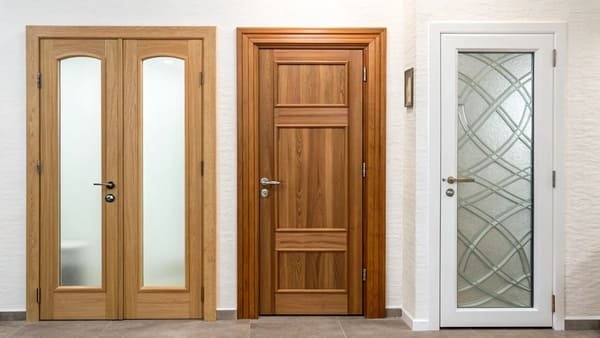
The material of your door panel affects its weight, durability, appearance, and cost. As a hardware manufacturer, we have to account for all of these factors when designing our roller systems. A heavy, solid wood door requires a different level of support than a lightweight hollow-core door. Your choice of material should align with both your design vision and the practical demands of the location. Let’s break down some common materials to help you choose wisely.
Comparing Door Materials
- Solid Wood7: Offers a beautiful, timeless look with great sound insulation. It’s heavy, so you’ll need a heavy-duty track and rollers. It can also be expensive and may warp in high-humidity areas if not properly sealed.
- Glass: Framed or frameless glass doors are perfect for a modern, minimalist aesthetic. They maximize light flow, making them ideal for connecting rooms or for patio doors. Frosted or textured glass can be used to provide privacy while still allowing light through.
- MDF (Medium-Density Fiberboard)8: This is an engineered wood product that is stable, affordable, and takes paint very well, allowing for endless customization. It’s a great all-around choice for interior doors but is not suitable for areas with high moisture.
- Hollow-Core: These doors are lightweight and the most budget-friendly option. They are easy to install and work well for closets or pantries where sound insulation is not a priority. Their light weight means you can use a standard-duty hardware system.
How to maintaining your sliding door?
Your new sliding door is installed and looks great. But ignoring maintenance will lead to a noisy, difficult-to-slide door that wears out quickly, ruining your investment. Let’s keep it running smoothly.
Regularly clean the track to remove dust and debris that can obstruct the rollers. Also, check and tighten any loose hardware, and lubricate the rollers and bearings with a silicone-based spray about once or twice a year to ensure smooth and quiet operation.

Proper maintenance is the key to longevity for any mechanical system, and sliding doors are no exception. From my factory floor to your final installation, every component is designed to work together perfectly. But over time, dust, dirt, and daily use can affect performance. A few simple, regular checks can keep your door gliding effortlessly for years, protecting your investment and preventing annoying issues like squeaking, sticking, or jumping off the track. It’s a small effort that pays off in a big way.
Your Simple Maintenance Checklist
- Clean the Track9 (Quarterly): The track is the most important part to keep clean. Use a vacuum with a brush attachment to suck up any loose dirt, dust, and pet hair. Then, wipe the track down with a damp cloth to remove any remaining grime. A clean track ensures the rollers have a smooth path to glide on.
- Inspect Hardware (Semi-Annually): Gently check the bolts and screws that hold the track to the wall and the hangers to the door. Over time, vibrations can cause them to loosen slightly. If you find any that are loose, simply tighten them with the appropriate tool.
- Lubricate Rollers10 (Annually): To keep the door moving quietly and with minimal effort, a little lubrication goes a long way. Use a silicone-based spray lubricant, as it won’t attract dust and dirt like oil-based products can. A quick spray on the roller bearings is all it takes.
Conclusion
Considering door type, location, size, material, and maintenance before you install is essential. This careful planning ensures your new sliding door is a perfect fit for your space and needs.
Learn about the functionality and installation of bypass sliding doors, perfect for maximizing space in wardrobes and closets. ↩
Explore the advantages of pocket sliding doors, including space-saving features and aesthetic appeal, to enhance your home design. ↩
Explore this link to discover innovative sliding door solutions that maximize space in tight areas, enhancing both functionality and style. ↩
This resource will show you how large glass sliding doors can transform your home by creating a seamless indoor-outdoor flow, enhancing natural light and views. ↩
Understanding door panel sizing is crucial for a perfect fit and functionality. Explore this link for expert tips. ↩
Choosing the right hardware track length is essential for smooth operation. Check this resource for detailed guidance. ↩
Explore the advantages of Solid Wood doors, including their aesthetic appeal and sound insulation properties. ↩
Learn why MDF is a popular choice for interior doors, focusing on its affordability and customization options. ↩
Explore this link to discover effective cleaning techniques that ensure your door operates smoothly and efficiently. ↩
Learn why regular lubrication is crucial for door maintenance and how it can prolong the life of your door. ↩