
Choosing the wrong drawer slide causes sticking and frustration. Don’t let bad hardware ruin your furniture. Here are the main types to ensure smooth operation every time.
Steel ball drawer slides mainly come in two types: two-section and three-section (full extension). They are also categorized by load capacity and special features like soft-close or push-to-open, offering a solution for nearly any drawer application you can imagine.
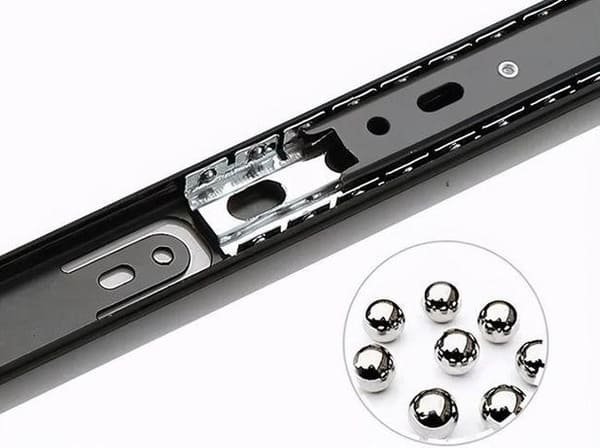
Knowing the basic types is a good start. But there is more to it than just two or three sections. In my years of manufacturing, I’ve seen how small details can make a big difference in a final product. Let’s explore these details. This will help you find the perfect fit for your project and avoid common purchasing mistakes.
What are the different types of ball bearing drawer slides?
Your project demands specific functions, but the options seem endless. Choosing the wrong one can compromise quality. Let’s break down the types of ball bearing slides available for you.
Ball bearing drawer slides are differentiated by their extension and special features. The main types are 2-section (partial extension), 3-section (full extension), and slides with integrated soft-close, push-to-open, or heavy-duty load ratings for specialized uses.
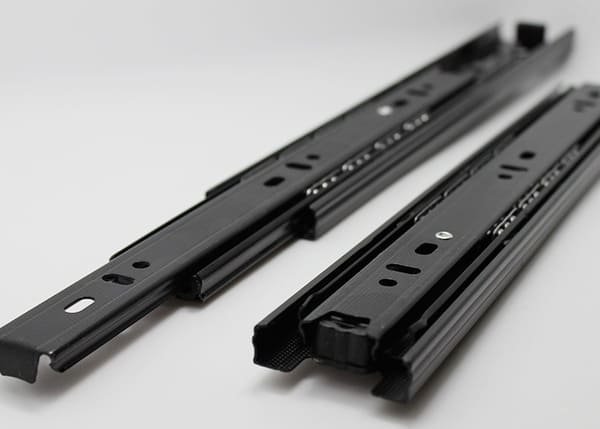
When customers visit my factory, they are often surprised by the variety. It’s not just about length. The real difference is in how they function and what they can hold. Understanding these types is the first step to making a smart purchase.
2-Section Slides
These are also called partial extension slides. They allow the drawer to open about three-quarters of the way. We produce these for projects where cost is a major factor or where full access to the drawer isn’t necessary. Think of office desk drawers for pens or simple storage cabinets. They are reliable and get the job done without the higher cost of a full extension model. They use fewer materials, which helps keep the price down for our B2B clients.
3-Section (Full Extension) Slides
This is our most popular product. A 3-section slide1 allows the drawer to pull out completely, giving full access to everything inside. This is essential for kitchen cabinets, tool chests, and filing cabinets. I always recommend these to furniture factory purchasers because end-users love the convenience. The ability to see and reach the very back of a drawer is a huge selling point. They cost a bit more than 2-section slides, but the added function is worth it.
Specialized Function Slides
This is where hardware gets interesting. We can integrate special mechanisms into our 3-section slide1s.
- Soft-Close2: This feature uses a damper to slow the drawer down and close it quietly. It prevents slamming and gives a premium feel.
- Push-to-Open: This is for modern, handle-less furniture designs. You just push on the drawer front, and a spring mechanism pops it open.
- Heavy-Duty: These slides are built with thicker steel and more ball bearings. They are designed to hold heavy loads, sometimes over 500 lbs (227 kg). We sell these to makers of industrial storage and large pantry pull-outs.
What are the three types of drawer slides?
You hear about "three types" of slides, but the information is often confusing. This makes sourcing difficult and risky. Here is a clear breakdown of the main categories.
Generally, the three main types of drawer slides are roller slides, ball-bearing slides, and undermount slides. Each offers different levels of smoothness, load capacity, and visibility, catering to various budgets and design requirements.
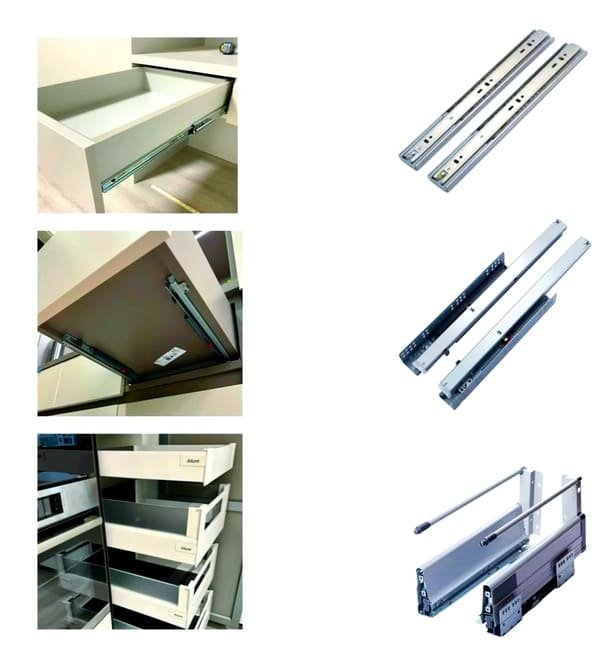
In my factory, we focus on producing top-quality ball-bearing slides. We believe they offer the best balance of performance and cost for most B2B clients, like furniture factories and construction contractors. But it’s important to know all your options. Each type has its place in the market. Let’s compare them directly so you can see the differences for yourself. This will help you explain your purchasing decisions to your team.
| Slide Type | Key Feature | Typical Use Case | Cost Level |
|---|---|---|---|
| Roller Slides | Two rollers on separate tracks | Basic furniture, utility cabinets | Low |
| Ball-Bearing Slides | Steel ball bearings in a channel | Most modern furniture, kitchens | Medium |
| Undermount Slides | Hidden beneath the drawer | High-end custom cabinetry | High |
Roller Slides
These are the most basic option. They have a plastic or nylon roller on the cabinet member and another on the drawer member. They are inexpensive but can’t hold much weight and the motion isn’t very smooth. They are good for entry-level furniture where cost is the number one priority.
Ball-Bearing Slides3
This is the industry standard today. These slides use rows of steel ball bearings to provide a smooth, quiet, and stable motion. They can handle much more weight than roller slides and are very durable. As a manufacturer, I can confirm these are the workhorse of the industry. They are perfect for kitchen cabinets, office desks, and commercial fixtures.
Undermount Slides4
These are the premium choice. They are mounted to the bottom of the drawer, making them completely invisible when the drawer is open. This creates a clean, high-end look. They almost always come with full extension and soft-close features. They are more complex to install and cost more, so we see them used mostly in luxury kitchens and custom furniture.
How do I know what kind of drawer slides I need?
Ordering the wrong drawer slides can stop your production line and waste money. Making the right choice from the start is critical. Let me guide you through the process.
To choose the right drawer slides, you must consider four key factors: the required extension length, the drawer’s weight capacity, the mounting type, and any desired special features.
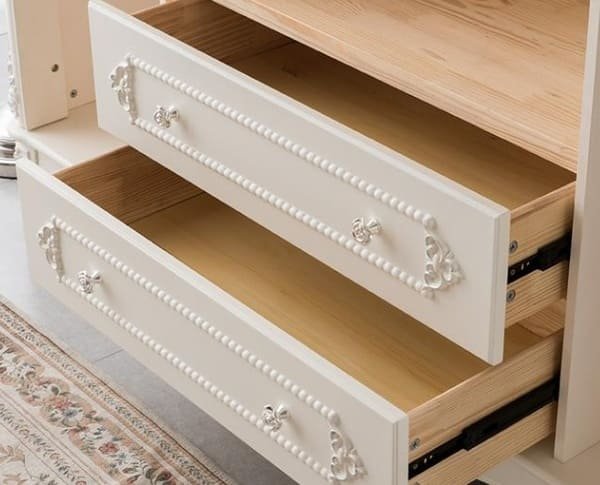
I always tell my clients to bring me the specifications of their drawer and cabinet. I can then recommend a specific model from our catalog. It saves them time and prevents costly mistakes. But you can also figure out what you need by answering a few simple questions about your project.
1. Measure Your Space
First, you need the right length. Drawer slides are sold in standard lengths, usually in 2-inch increments (e.g., 14", 16", 18"). Measure the depth of your cabinet from the inside front edge to the inside back wall. Then, choose a slide length that is equal to or just shorter than that measurement. For side-mount ball-bearing slides, you also need to check the space between the drawer side and the cabinet wall, which is usually 1/2 inch (12.7mm) on each side.
2. Determine Load Capacity5
How much weight will the drawer hold? This is very important. Load capacity is usually rated for light-duty (up to 75 lbs), medium-duty (75-100 lbs), and heavy-duty (100 lbs to over 500 lbs). Be honest about the drawer’s intended use. A kitchen drawer for silverware is light-duty. A drawer for pots and pans is medium-duty. A wide file drawer or a tool chest drawer is heavy-duty. Choosing a slide that is too weak will lead to failure.
3. Choose a Mounting Type
We already discussed the main types: side-mount, undermount, and center-mount (a less common single slide under the drawer center). For most projects, side-mount ball-bearing slides are the best choice. They are strong, reliable, and easy to install.
4. Select Special Features
Finally, decide if you need premium features. Does the furniture need a quiet, no-slam-shut action? Add soft-close6. Are you building a cabinet with a clean, handle-free design? Use push-to-open slides. These features add cost, but they also add value that can set your product apart from the competition.
Are ball bearing drawer slides better?
You see ball bearing slides everywhere, but are they always the best choice? Doubts can lead to overspending or building a poor-quality product. Let’s look at the facts directly.
Yes, ball bearing slides are generally better than basic roller slides. They provide a smoother motion, are quieter, and can handle much more weight. Their durability makes them a superior choice for almost any application.
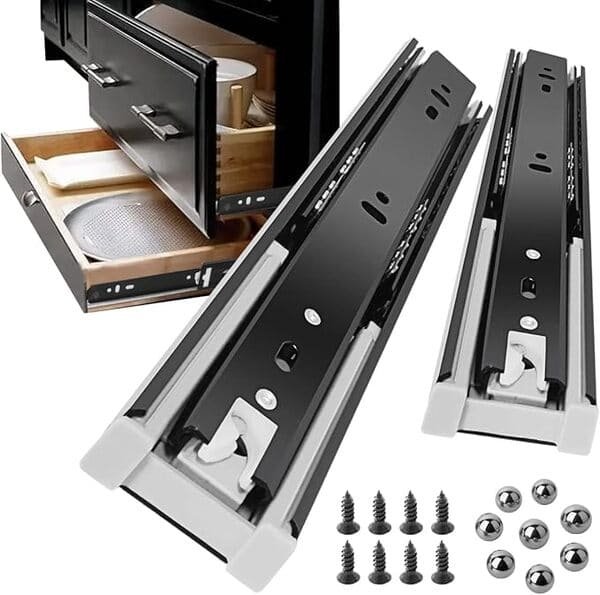
As a manufacturer, I have seen the market shift heavily towards ball bearing slides. It’s because they offer clear advantages in performance and longevity. While basic roller slides still have a place in very low-cost applications, the difference in quality is something the end-user will feel every time they open a drawer. For any business that cares about its reputation, choosing ball bearing slides is a smart investment. Here’s a simple table to show you why.
| Feature | Ball Bearing Slides | Roller Slides |
|---|---|---|
| Motion | Very smooth and stable | Can be bumpy or wobbly |
| Load Capacity | Good to excellent (up to 500+ lbs) | Low (typically under 50 lbs) |
| Durability | High, made from steel | Lower, plastic rollers can wear out |
| Features | Full extension, soft-close available | Partial extension only, no features |
| Cost | Medium | Low |
The better performance comes from the design. Ball bearing slides use many small steel balls that roll in a track. This reduces friction and distributes the load evenly. Roller slides use a single plastic wheel, which concentrates all the pressure in one spot. Over time, that plastic wheel can wear down, get flat spots, or even break. I remember a client who switched from roller slides to our ball bearing slides for his line of office furniture. He told me his customer complaints about "sticky drawers" dropped to zero. That’s the kind of reliability that builds a strong brand.
Conclusion
Choosing the right drawer slide is key. Consider the extension, load capacity, and features you need. For most projects, ball bearing slides provide the best balance of quality and performance.
Explore this link to understand why 3-section slides are essential for maximizing drawer accessibility and convenience. ↩ ↩
Learn about the Soft-Close feature to enhance your furniture’s functionality and user experience. ↩
Explore this link to understand why Ball-Bearing Slides are the preferred choice for durability and smooth operation in furniture. ↩
Discover the advantages of Undermount Slides for a sleek, high-end look in your cabinetry and furniture. ↩
Understanding load capacity is crucial for selecting the right drawer slides, ensuring safety and functionality. ↩
Exploring soft-close features can enhance your furniture’s usability and appeal, making it a worthwhile investment. ↩