
Struggling to pick the right sliding door? A wrong choice means wasted space and high costs. Let me guide you to the perfect selection for your project’s needs.
To choose the right sliding door, consider the design (single, double, pocket) based on your space. Select a durable frame material like aluminum or vinyl, and opt for energy-efficient glass like Low-E. Prioritize high-quality rollers and tempered glass for safety and smooth operation.
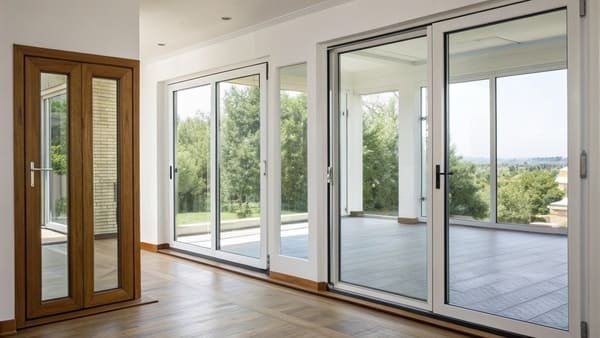
Making the right choice seems simple, but there’s more to it than just looks and materials. As a factory owner, I see firsthand how the small details in hardware can make or break a project. Understanding the core principles, costs, and common issues will give you a major advantage in your purchasing decisions. Let’s dig into the details that truly matter for your business and your clients.
What is the sliding door theory?
Wondering what makes a sliding door glide smoothly? Ignoring the core mechanics can lead to product failure. Let’s explore the simple theory behind a reliable sliding door system.
Sliding door theory is about using a track and rollers to move a door panel horizontally. Top-hung systems carry the weight from above for smoother operation, while bottom-rolling systems use a floor track. The key is quality hardware for stability and ease of use.
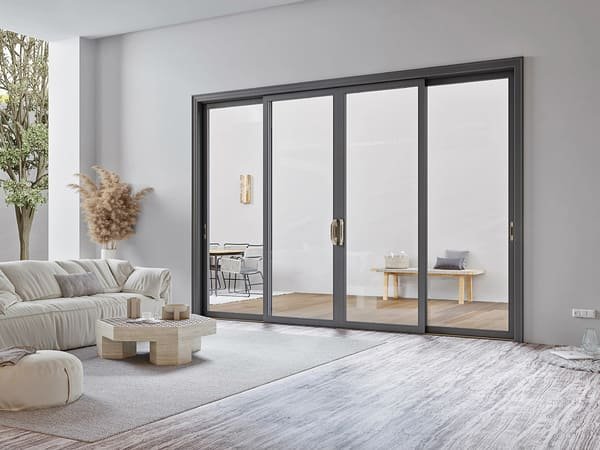
When you source doors, you’re really buying a system. Understanding how it works helps you choose better components. For my customers, like door factory purchasers, getting this right is crucial for their product’s reputation.
The Role of Tracks and Rollers
The track is the path, and the rollers are the wheels. The entire performance of the door depends on these two parts working together. A low-quality track can bend or get clogged with dirt, while cheap rollers will wear out quickly, making the door stick or jump. At my factory, we focus on engineering rollers with durable bearings1 and tracks made from high-grade aluminum. This ensures a smooth glide for years, reducing callbacks for your business.
Top-Hung vs. Bottom-Rolling Systems
The choice between these two systems affects performance and installation. A top-hung system2 is often preferred for its cleaner look and smoother operation since debris can’t easily clog the track.
| System Type | Pros | Cons | Best For |
|---|---|---|---|
| Top-Hung | Smoother glide, cleaner floor | Requires strong overhead support | Interior doors, premium patio doors |
| Bottom-Rolling | Easier to install, less structural load | Track can collect debris, can be less smooth | Heavy glass doors, budget-friendly projects |
What is the average cost to have a sliding glass door installed?
Worried about unpredictable installation costs for sliding doors? Getting the budget wrong can hurt your bottom line. Let’s break down the average costs you can expect.
The average cost to install a sliding glass door ranges from $1,000 to $4,000. This depends on the door’s size, material, glass type, and labor rates. Sourcing hardware directly from a factory can significantly lower the material cost component of this price.
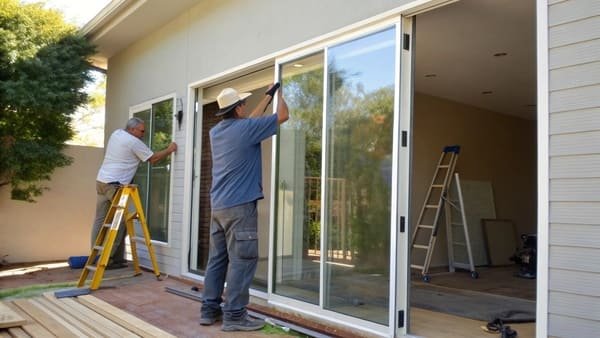
As a hardware supplier, I always advise my clients to look at the total cost of ownership, not just the initial price tag. The hardware you choose has a big impact on both the material and potential future maintenance costs.
Key Cost Factors
Several things influence the final price. The door itself is the biggest variable. A standard vinyl door is much cheaper than a custom aluminum multi-slide door. The glass package is another major factor; energy-efficient options3 like Low-E coated or argon-filled glass add to the cost but save money on energy bills later. Finally, labor costs vary by location and the complexity of the job. A simple replacement is much cheaper than creating a new opening in a wall.
How to Manage Costs
For a B2B buyer, the best way to manage costs is to control the supply chain4. By purchasing hardware like rollers, tracks, and locks directly from a factory like mine, you cut out the distributor markup. This allows you to offer a higher quality product at a more competitive price point.
| Cost Component | Average % of Total | How to Save |
|---|---|---|
| Materials (Door, Frame, Glass) | 50% – 60% | Source quality hardware directly |
| Labor | 30% – 40% | Ensure proper training for install teams |
| Supplies & Fees | 5% – 10% | Buy in bulk where possible |
How to pick a sliding patio door?
Overwhelmed by all the sliding patio door options? A poor choice can lead to security risks and customer complaints. Here’s a simple guide to making the right decision.
To pick a sliding patio door, first assess the frame material for durability and climate suitability. Choose energy-efficient glass like double-pane or Low-E. Finally, test the hardware—rollers, locks, and handles—to ensure smooth, secure operation for years to come.
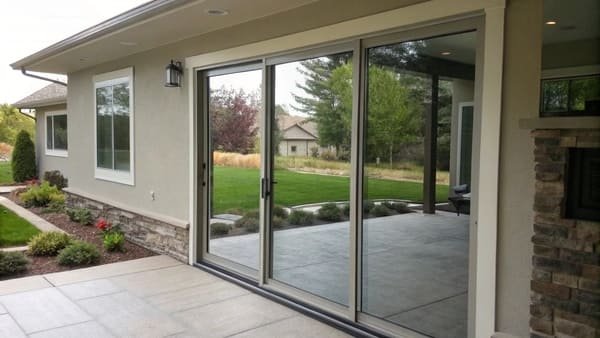
I’ve worked with furniture and door factory purchasers for years. The most successful ones focus on three core areas: the frame that provides the structure, the glass that provides the view and insulation, and the hardware that provides the function.
Evaluating Frame Materials
The frame material5 determines the door’s look, durability, and maintenance needs. Each material has its own benefits, and the right choice often depends on the local climate and project budget.
| Material | Durability | Maintenance | Cost |
|---|---|---|---|
| Vinyl | High | Low | $ |
| Aluminum | High | Low | $$ |
| Wood | Medium | High | $$$ |
| Fiberglass | Very High | Low | $$$ |
Selecting the Right Glass
Glass is no longer just for looking through. Modern glass packages offer incredible energy efficiency. Double-pane glass is standard, but adding Low-E coatings and argon gas fills can dramatically reduce heat transfer. This keeps the home cooler in the summer and warmer in the winter, which is a huge selling point for homeowners.
The Importance of High-Quality Hardware6
This is my area of expertise. The hardware is the heart of the door. A beautiful door with cheap rollers will feel terrible to use. Look for stainless steel or high-grade nylon rollers for corrosion resistance and a smooth glide. The lock should be robust and easy to operate. High-quality hardware is the simplest way to add value and reliability to your final product.
What is the common problem with sliding doors?
Frustrated by callbacks for sticky or broken sliding doors? These common issues can hurt your reputation and profits. Let’s look at the main problems and how to avoid them.
The most common problems are difficulty sliding, caused by dirty tracks or worn-out rollers. Other issues include poor alignment leading to gaps, broken locks compromising security, and seal failure causing drafts. Using high-quality hardware prevents most of these problems.
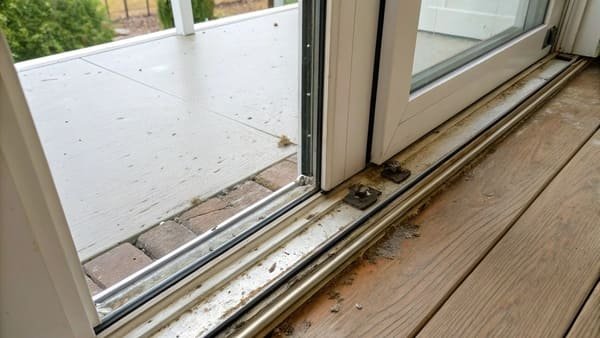
In my experience, almost every common sliding door problem can be traced back to two things: poor installation or low-quality components. As a purchaser, you can control the quality of the components you source, which is the best way to prevent these issues before they start.
Diagnosing Sticking Rollers
This is the number one complaint. When a door is hard to move, the rollers are the first thing to check. Often, the track is just dirty and needs cleaning. But if the rollers are worn, cracked, or rusted, they need to be replaced. Sourcing rollers with high-quality bearings and durable materials from the start minimizes this issue. This is why we use top-grade materials in our rollers at opensliding—to ensure they last.
Addressing Misalignment and Drafts
If you see gaps around the door or feel a draft, the door is likely misaligned. This can happen if the house settles or if the rollers are worn unevenly. Adjustable rollers can help installers fine-tune the door’s position for a perfect fit. Also, check the weatherstripping. It can become brittle and crack over time. Sourcing durable, flexible seals is a small investment that makes a big difference in performance.
| Problem | Common Cause | Prevention (Sourcing Solution) |
|---|---|---|
| Sticking/Hard to Slide | Worn rollers, dirty track | Source rollers with sealed bearings |
| Door Jumps Track | Damaged track or broken rollers | Choose heavy-duty aluminum track |
| Drafts/Water Leaks | Failed seals, poor alignment | Specify high-quality weatherstripping |
| Lock Doesn’t Engage | Misalignment of door panel | Use adjustable hardware for fine-tuning |
Conclusion
Choosing the right sliding door is about balancing design, material, and quality hardware. Focus on these details to ensure long-lasting performance and satisfaction for your projects.
Explore this link to understand how durable bearings enhance door performance and longevity. ↩
Learn about the benefits of top-hung systems and why they are preferred for smoother operation. ↩
Explore this link to discover various energy-efficient door options that can save you money on energy bills. ↩
Learn how to effectively manage your supply chain to reduce costs and improve product quality. ↩
Explore this link to understand how different frame materials can impact durability, maintenance, and aesthetics. ↩
Discover why investing in high-quality hardware can enhance the functionality and longevity of your doors. ↩