
Confused about sliding door rails? The wrong choice can lead to project delays and unhappy clients. I’ll help you pick the perfect system for your project’s specific needs.
Hanging rail (top-hung) doors are better for a clean, modern look and easy floor maintenance. Floor rail (bottom-rolling) doors offer superior sealing and are often easier to install. The best choice depends on your project’s priorities: design, insulation, or ease of installation.
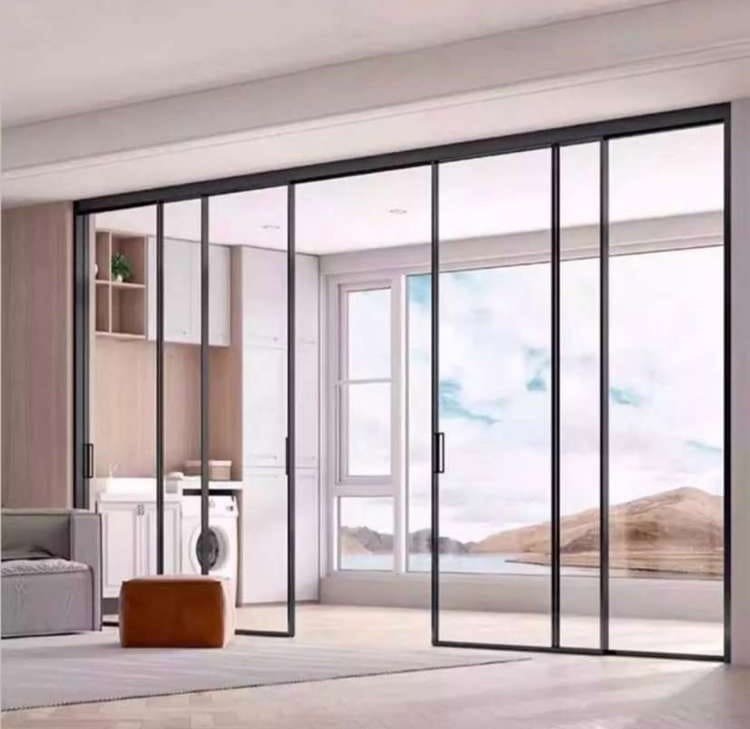
Choosing the right hardware is a big decision for any project. I remember working with a contractor who installed the wrong system for a set of heavy wooden doors, and it caused a lot of headaches and costly callbacks later. To avoid that, you need to understand the fundamental differences first. Let’s dig deeper into what sets these systems apart and which one is the right fit for your customers.
What are the different types of sliding door rails?
Overwhelmed by all the hardware options in supplier catalogs? It can feel like everyone has a different name for the same thing. I’ll simplify it down to the two main types.
The two main types are top-hung (hanging rail) systems, where the door hangs from an overhead track, and bottom-rolling (floor rail) systems, where the door slides on a track installed on the floor. Each serves a different purpose and application.
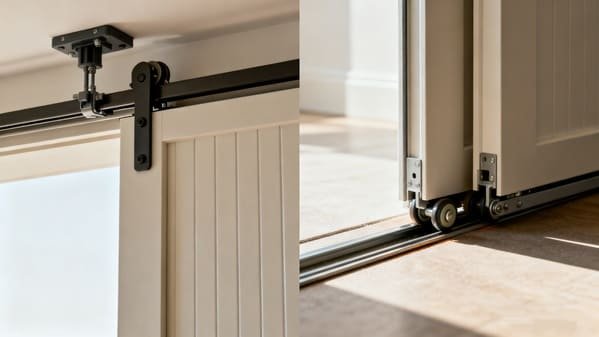
In my years of manufacturing hardware, I’ve seen countless variations, but everything really comes down to these two core systems. Let’s break them down so you can see exactly how they work.
Top-Hung (Hanging Rail)1
This system carries the entire weight of the door from the top. The track is mounted above the door opening, and rollers attached to the top of the door panel glide along this track. You might see a small, discreet guide on the floor to prevent the door from swaying, but there is no main track to trip over. This is the go-to choice for achieving a seamless, clean look between rooms.
Bottom-Rolling (Floor Rail)2
This is the more traditional and very common system. Here, the weight of the door panel rests on rollers that move along a track installed directly onto the floor. A guide track is also used at the top to keep the door stable and prevent it from tipping. This is a very sturdy and reliable setup, especially for heavy exterior doors.
| Feature | Top-Hung System | Bottom-Rolling System |
|---|---|---|
| Weight Support | From the top header | On the floor |
| Floor Track | None (or a small guide) | Required |
| Appearance | Clean, seamless floor | Visible floor track |
| Common Use | Wardrobes, room dividers | Patios, heavy doors |
Are top mounted sliding doors good?
Wondering if a sleek, top-hung door is right for your project? The look is great, but you might worry about stability and strength. Let’s look at the real pros and cons.
Yes, top-mounted sliding doors are excellent for modern interiors. They provide a clean, trackless floor, which makes cleaning easy and creates a seamless flow between rooms. However, they require strong structural support from the wall or ceiling to handle the door’s weight.
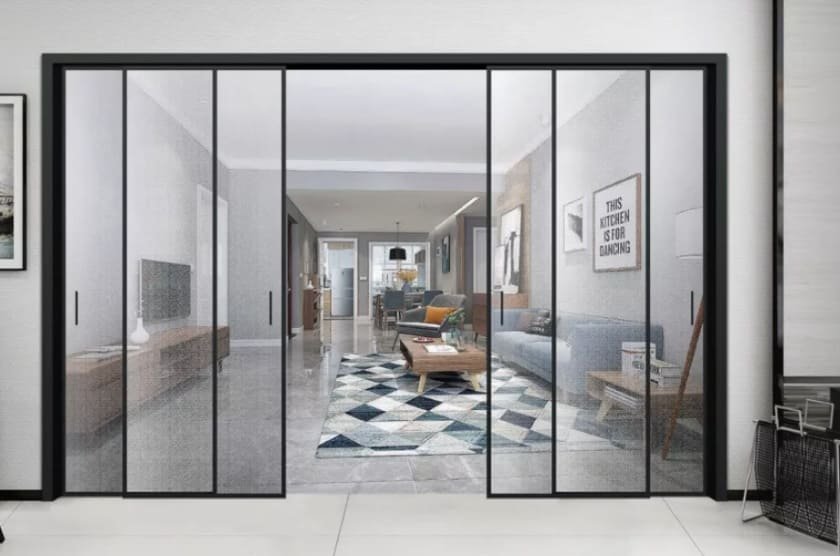
Many of my clients, especially those working on high-end residential or commercial projects, specifically ask for top-hung systems. The visual appeal is undeniable. With no track on the floor, you get an uninterrupted flow of flooring from one space to another. This is a huge win for accessibility and for anyone who hates cleaning dirt and dust out of floor tracks. I once worked with a designer for a hotel project who insisted on top-hung systems for all their suite dividers for this exact reason. The clean look elevated the entire space. But, it’s not without its challenges. The entire weight of the door hangs from the track above, so the wall or ceiling structure must be very strong. For heavy solid wood or glass doors, this means reinforcing the header is absolutely non-negotiable.
| Pros | Cons |
|---|---|
| Seamless, clean floor line | Requires strong overhead support |
| Easy to clean the floor | Can be more complex to install |
| Quiet operation with good hardware | May sway slightly without a floor guide |
| Modern, minimalist aesthetic | Can be more expensive than floor rail |
What is the common problem with sliding doors?
Worried about getting calls from customers about sticky or broken sliding doors? A malfunctioning door can ruin a project’s reputation. Let’s look at the common issues and how to prevent them.
The most common problems are doors that stick, jump the track, or become noisy. For floor rail doors, debris in the track is a major cause. For hanging doors, issues often stem from improper installation or low-quality rollers that wear out quickly.
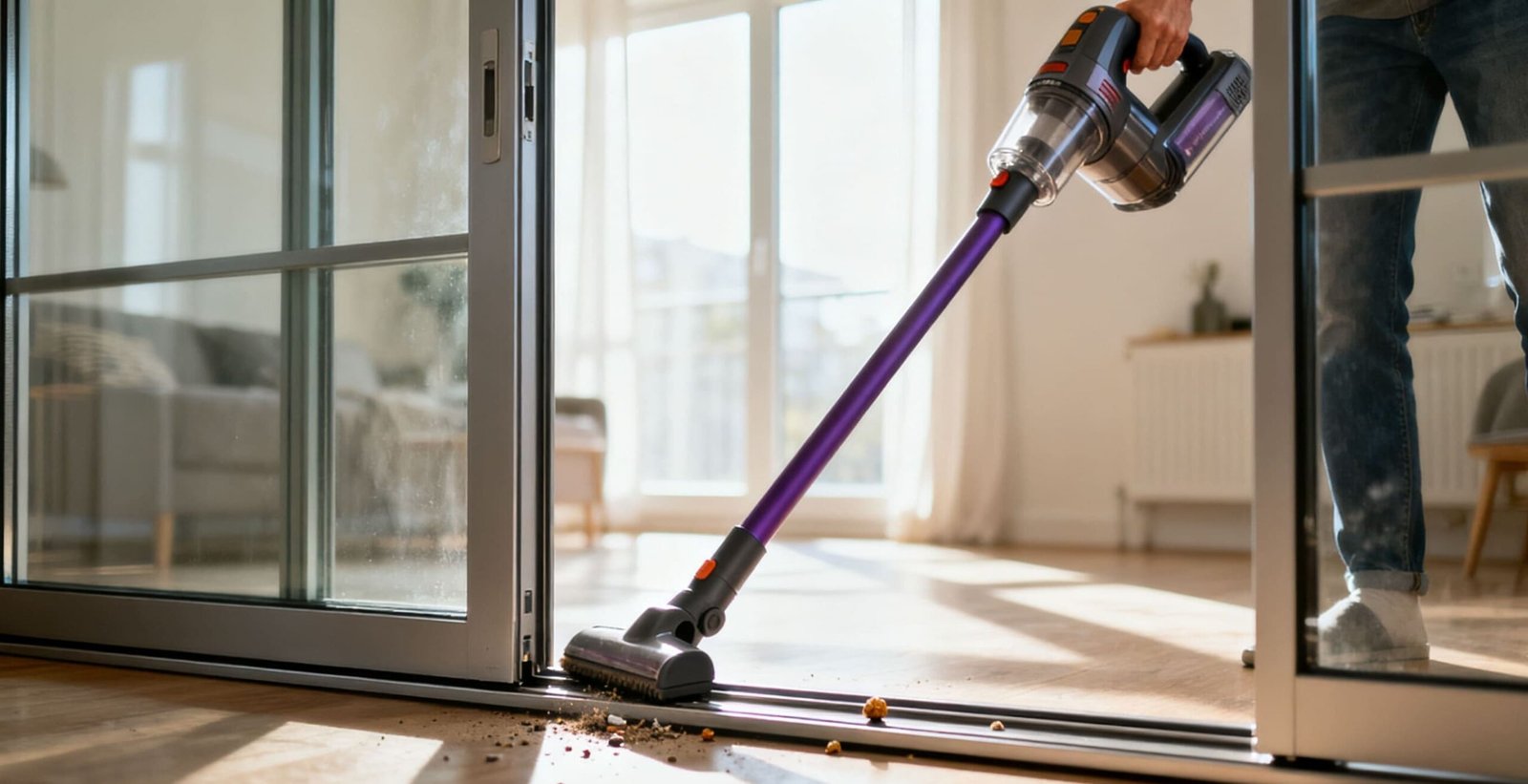
No matter which system you choose, I always tell my clients that quality hardware and proper installation are the keys to avoiding future problems. I’ve seen perfectly good doors fail because of cheap rollers. For bottom-rolling doors, the biggest enemy is dirt, dust, and small objects getting stuck in the floor track. This obstructs the rollers, makes the door hard to move, and can cause the rollers to wear down or jump off the track completely. For top-hung doors, the primary issues are related to the installation. If the overhead track isn’t installed perfectly level, the door might roll open or closed on its own. Also, without a good floor guide, heavier doors can sometimes sway a bit. The solution is always the same: start with high-quality components and ensure they are installed correctly.
| System Type | Common Problem | Prevention / Solution |
|---|---|---|
| Bottom-Rolling | Debris in track, worn rollers | Regular track cleaning, use high-quality, durable rollers. |
| Top-Hung | Door swaying, track not level | Install a floor guide, ensure professional and level installation. |
| Both | Noisy operation, sticking | Use high-quality bearings in rollers, ensure track is clean. |
How do I choose a sliding door track?
Facing a catalog full of different tracks and rollers can be confusing. Choosing the wrong hardware can cost you both time and money. I’ll give you a simple checklist for making the right choice.
To choose a sliding door track, first determine the door’s weight and material. Then consider the application (interior vs. exterior), your budget, and the desired look. Always prioritize high-quality rollers and tracks from a reliable supplier to ensure long-term performance.
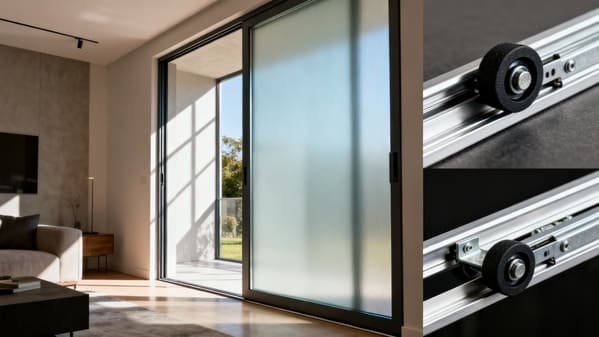
As a purchasing manager, your job is to balance quality, cost, and function. So when I talk to buyers like you, I suggest focusing on a few key factors to narrow down the options. First and foremost is the door’s weight. A heavy solid core door needs a much more robust track and roller system than a light hollow-core closet door. Always check the weight capacity of the hardware before you buy. Next, think about the environment. An exterior patio door needs corrosion-resistant hardware, like stainless steel or high-grade aluminum, while an interior wardrobe door won’t have the same requirements. Then there’s the look. Does the project call for a hidden, top-hung track for a minimalist design, or is a standard floor track acceptable? Finally, never skimp on the rollers. The rollers are the heart of the system. Look for smooth, quiet bearings. This is where partnering with a factory like mine helps, as we can provide durable solutions perfect for your specific project.
| Decision Factor | What to Consider |
|---|---|
| Door Weight & Size | Check the hardware’s maximum weight capacity. Don’t overload it. |
| Application | Interior, exterior, wardrobe, partition? This affects material choice. |
| Aesthetics | Visible or concealed track? Match the project’s design style. |
| Functionality | Need better sealing (floor rail) or a clear threshold (hanging rail)? |
| Supplier Quality | Choose a manufacturer with a reputation for durable, reliable hardware. |
Conclusion
In short, the "better" door system depends entirely on your project’s needs. Choose a hanging rail for modern aesthetics and a floor rail for better insulation and simple durability.